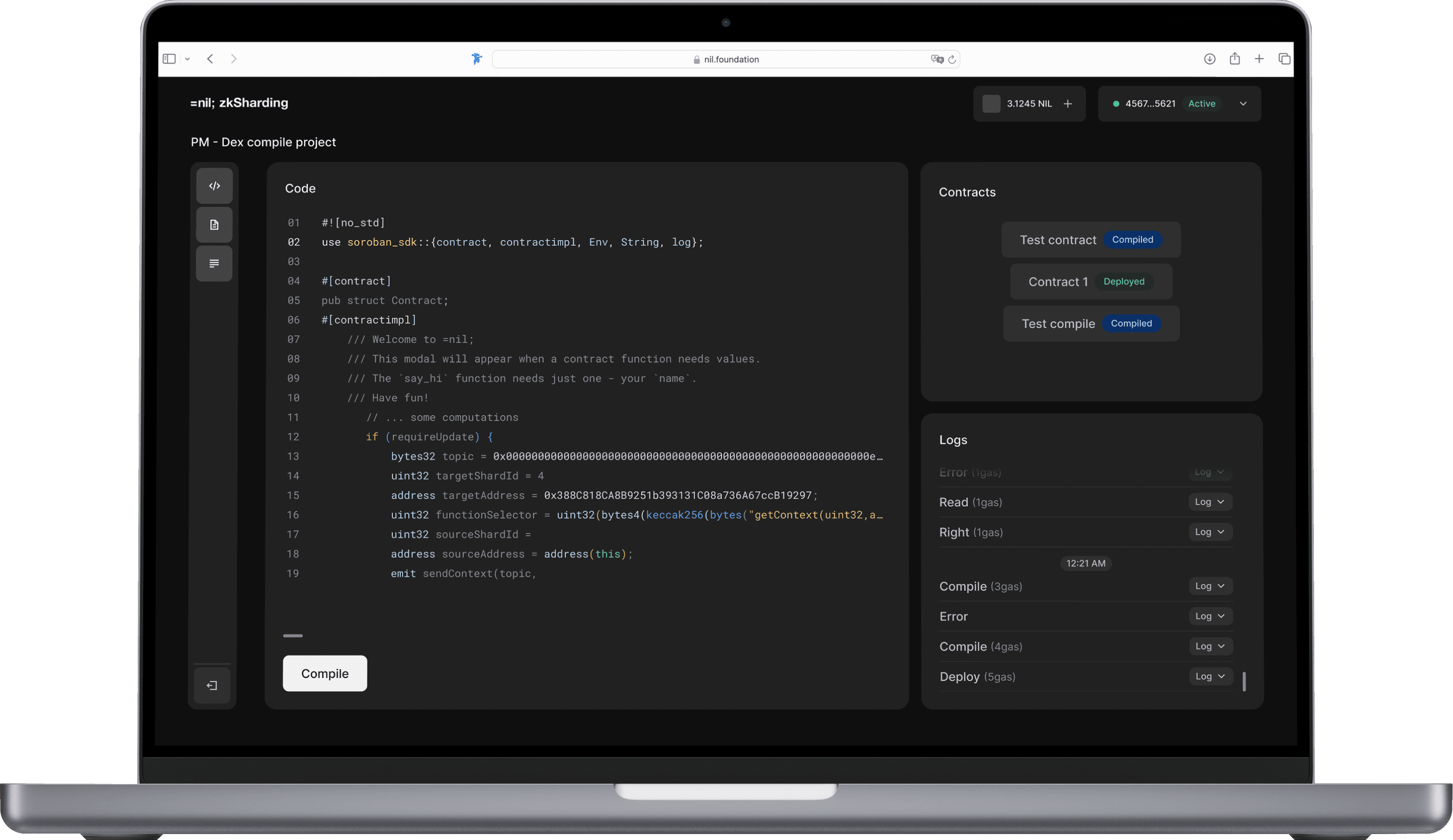
Timeline
Nov 2024 – Jan 2026
Role
Product Designer (end-to-end, owner)
Scope
UI/UX Design, User Research, Design System, Prototyping
Overview
I worked as the only Product Designer on the Rewards Portal — a core B2C growth product inside the Concero ecosystem.
My focus was increasing retention, repeat engagement, and successful task completion by turning an early MVP into a scalable, structured product.
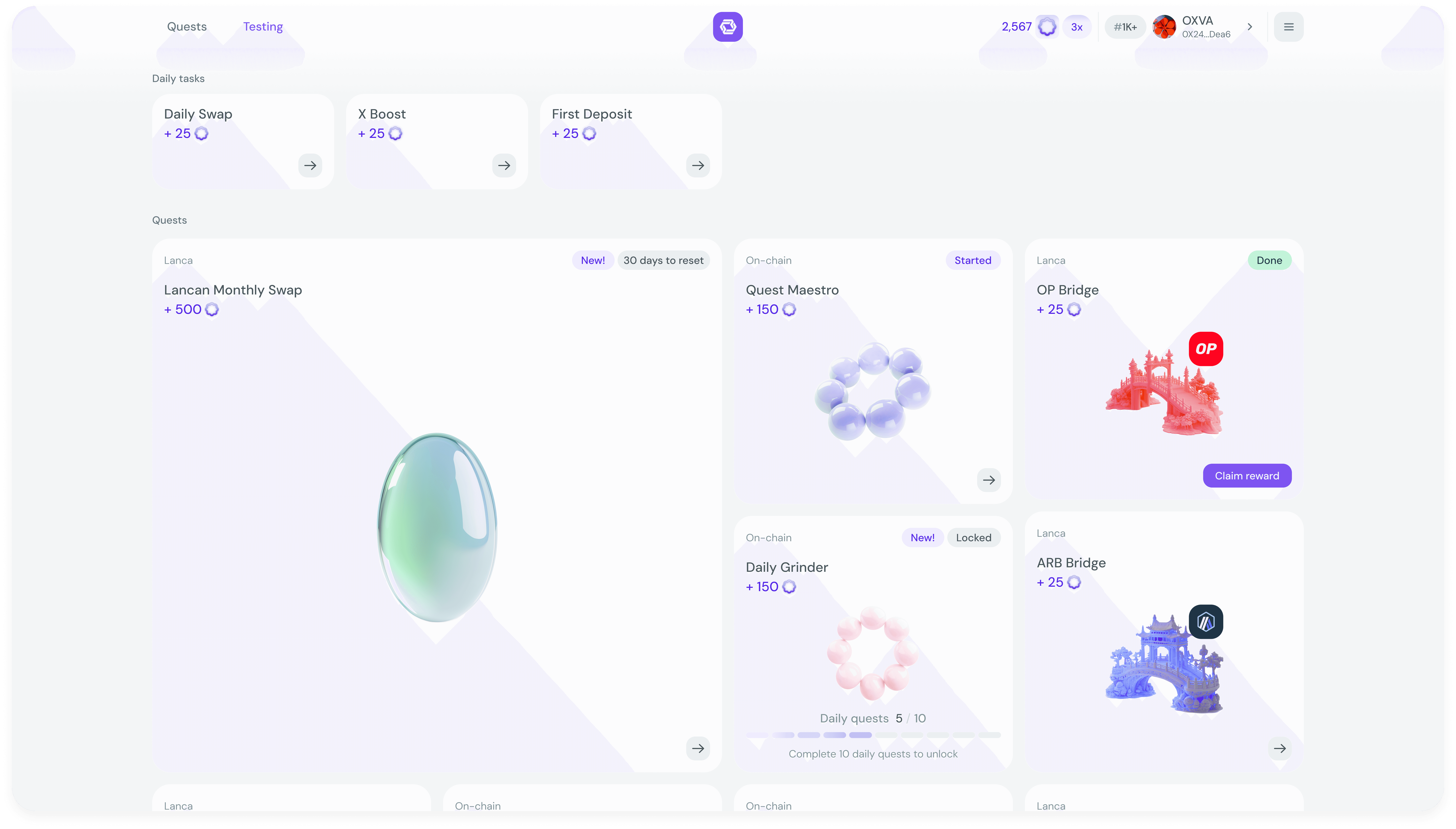
Chalenges
The portal already existed as an early MVP, but it lacked structure, clarity, and long-term engagement mechanics.
The main challenge was not feature delivery, but turning short-term interest into repeat usage while supporting rapid ecosystem growth. Users dropped off mid-month, misunderstood quest requirements, and often failed to complete tasks even in a relatively simple interface.
My goal was to stabilize retention, reduce confusion, and build a system that could scale with the ecosystem.
Results
Discovery & Research — Understanding Drop-Off and Motivation
Before making any design changes, I focused on understanding where and why users dropped off and what blocked repeat engagement.
Together with the Product Manager, I mapped the full user lifecycle, from the first interaction with the portal to reward claiming and repeat usage. This helped us identify key user groups and moments where motivation declined.
To validate assumptions, we combined:
Session recordings and behavioral analysis
Quantitative surveys inside the active Discord community (~150 responses)
Short user interviews focused on task understanding and motivation
We tracked NPS, SUS, retention, churn, success rate, and drop-off as core product metrics.
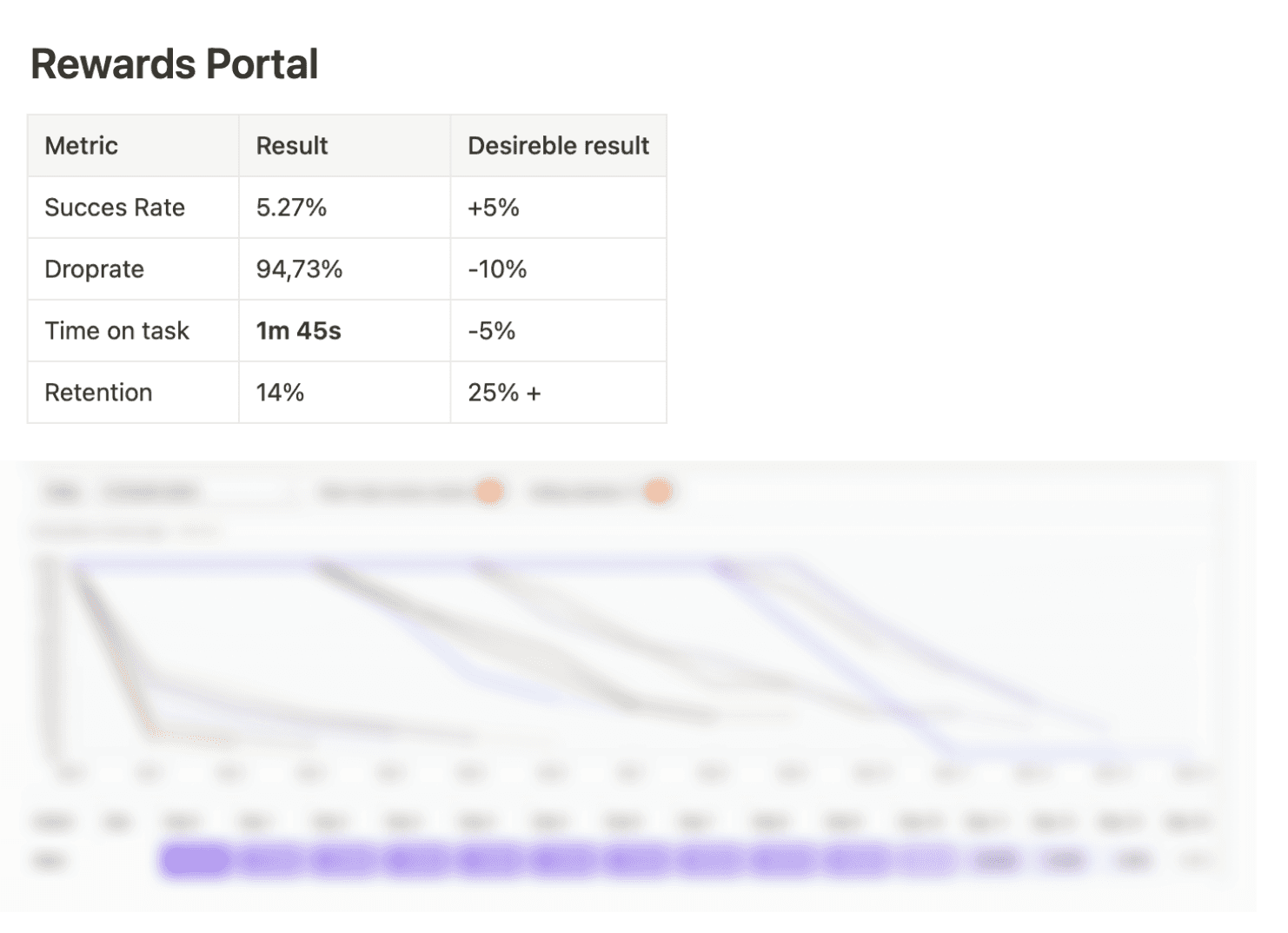
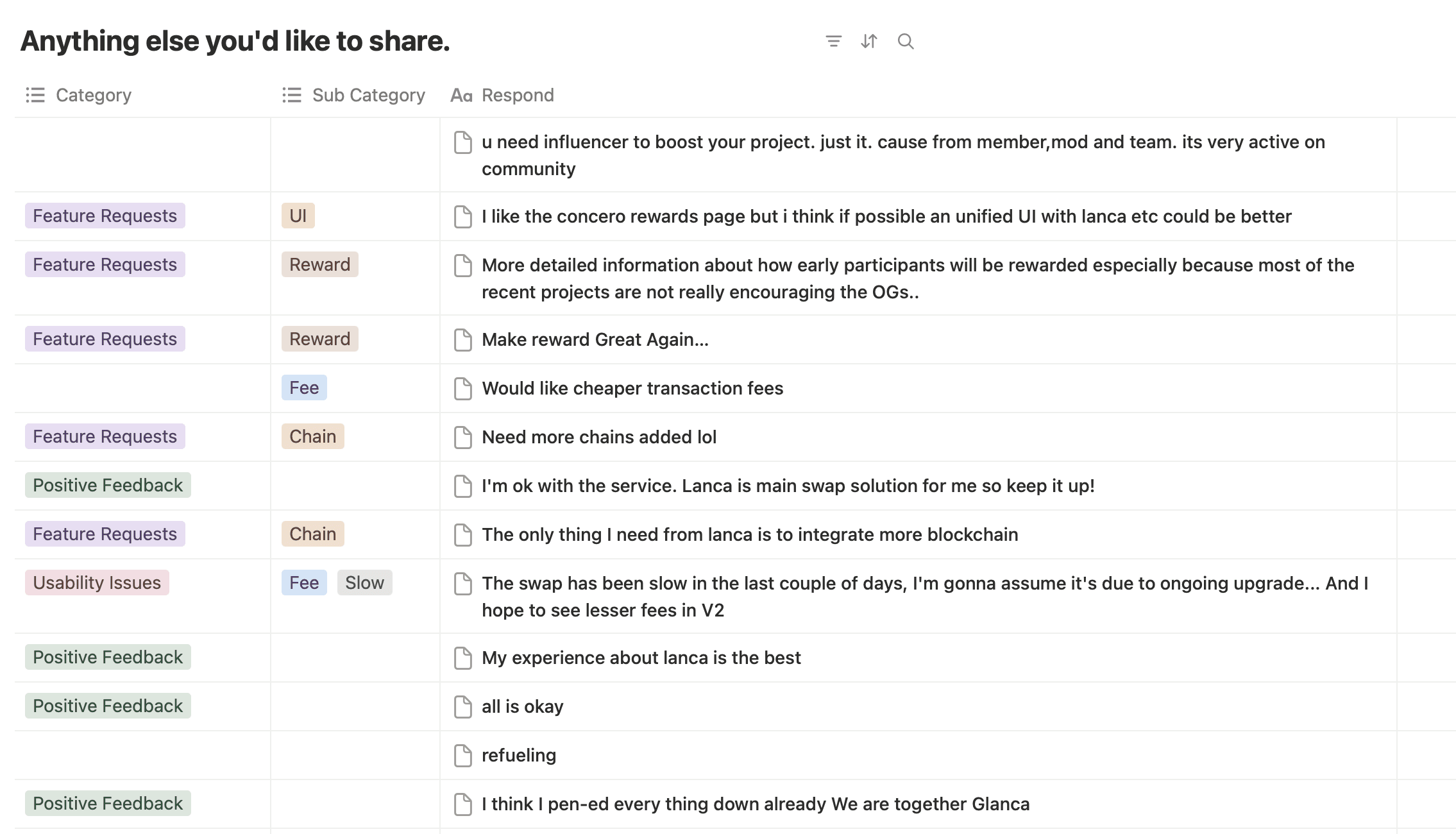
Key Insights
The research revealed several consistent issues:
Motivation dropped mid-month when users ran out of clear, repeatable actions.
Many users didn’t fully understand quest requirements or completion conditions.
Even small edge cases caused confusion, leading users to abandon tasks.
Users wanted progress and rewards to be more visible and predictable.
These insights directly shaped the retention mechanics, quest redesign, and overall product structure.
Key Design Solutions
Interface Re-Architecture — Creating a Clear Mental Model
Challenge
Even with a small interface, users felt lost. They didn’t clearly understand their current status, available actions, or what to do next. This confusion also blocked further feature expansion.
Iteration & Solution
I mapped all current and planned user activities and reorganized the product around clear intent-based sections:
Simple quests accessible to every user
Advanced testing quests requiring technical knowledge
A dedicated account space for progress, rewards, and profile management
This structure aligned the interface with how users think about their actions, while also creating a foundation for future growth.
Impact
The product became easier to navigate, reduced cognitive load, and allowed new features to be added without breaking usability.
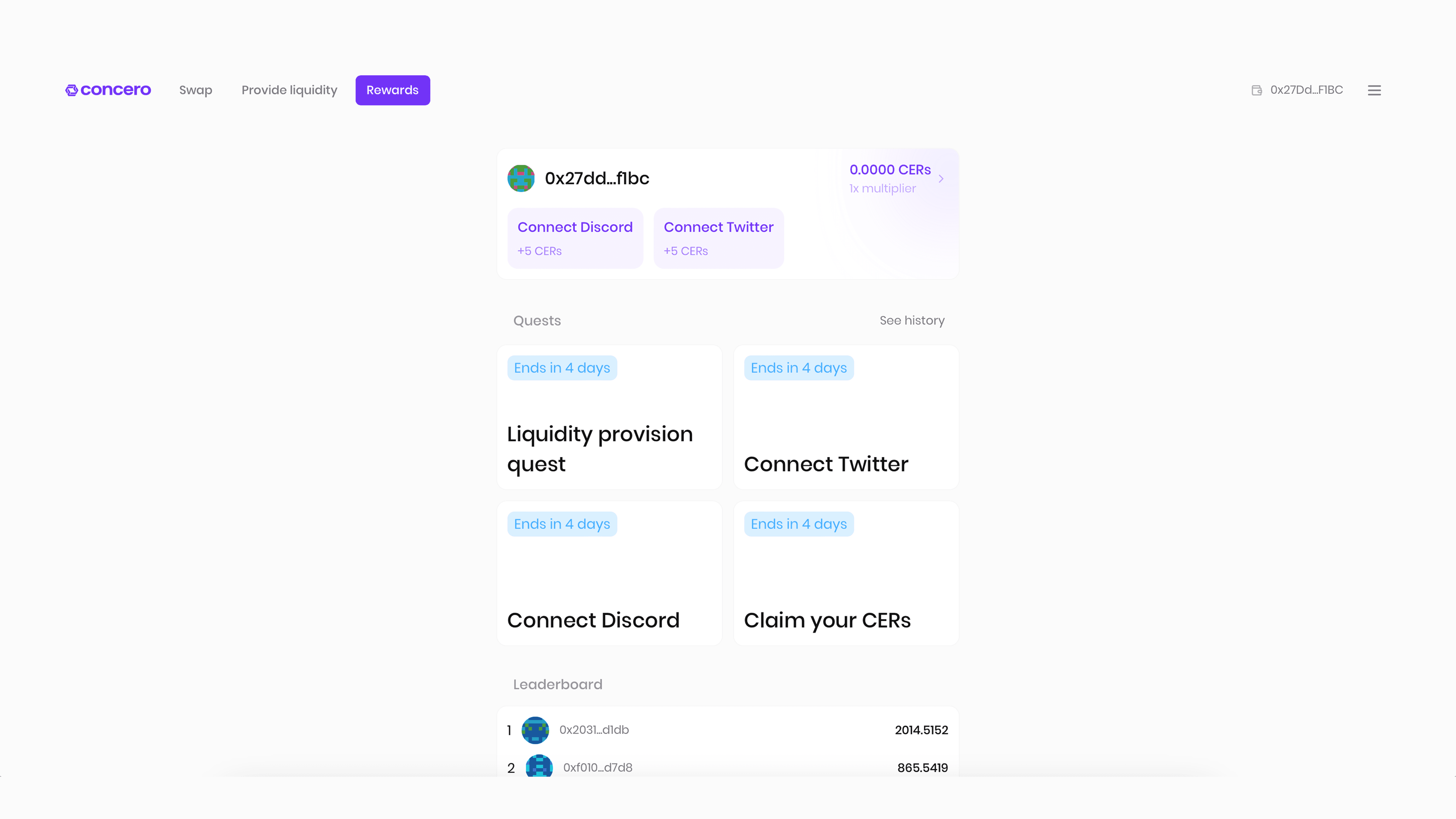
Main Screen Before
Main Screen After
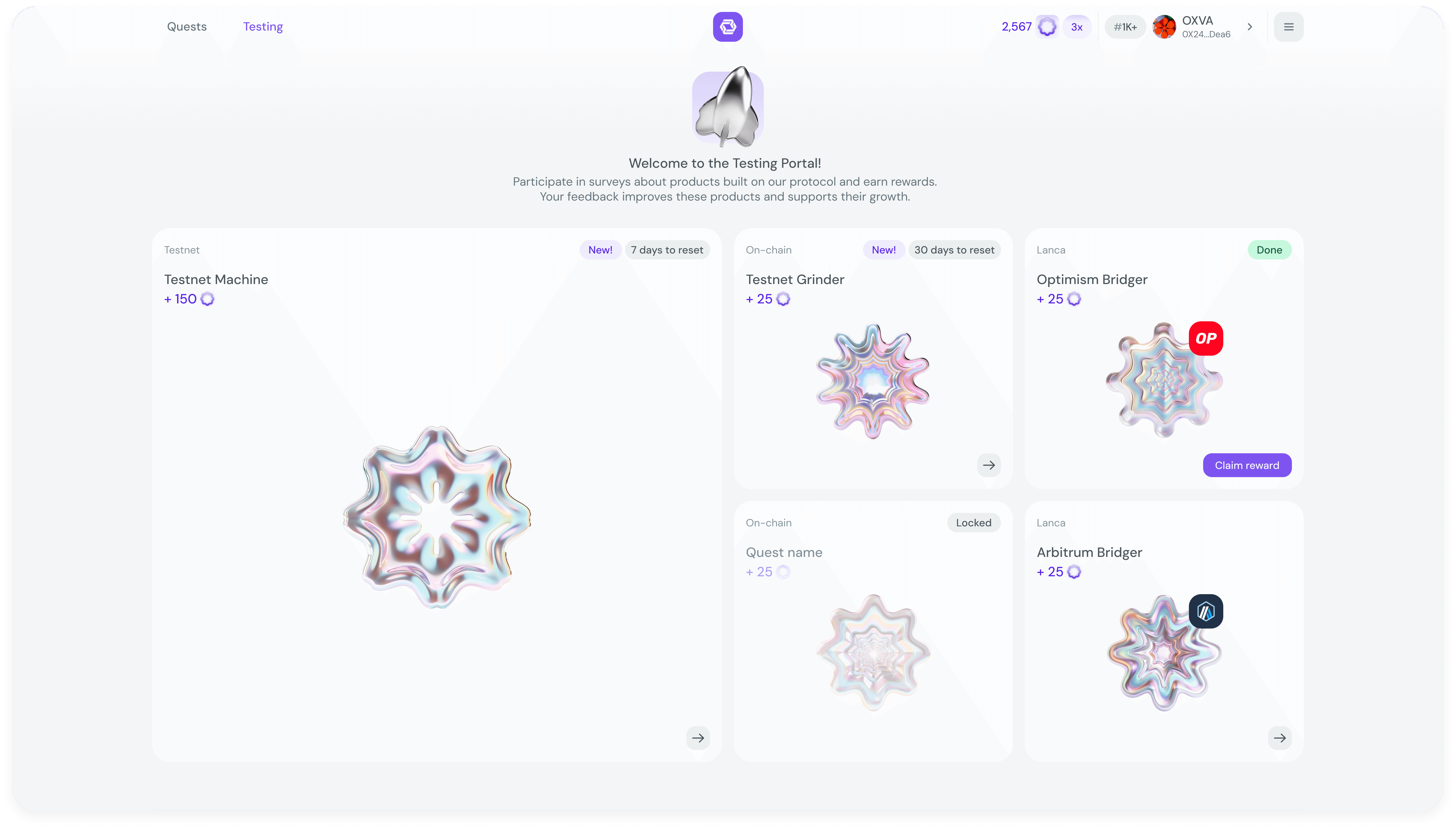
Testing Screen
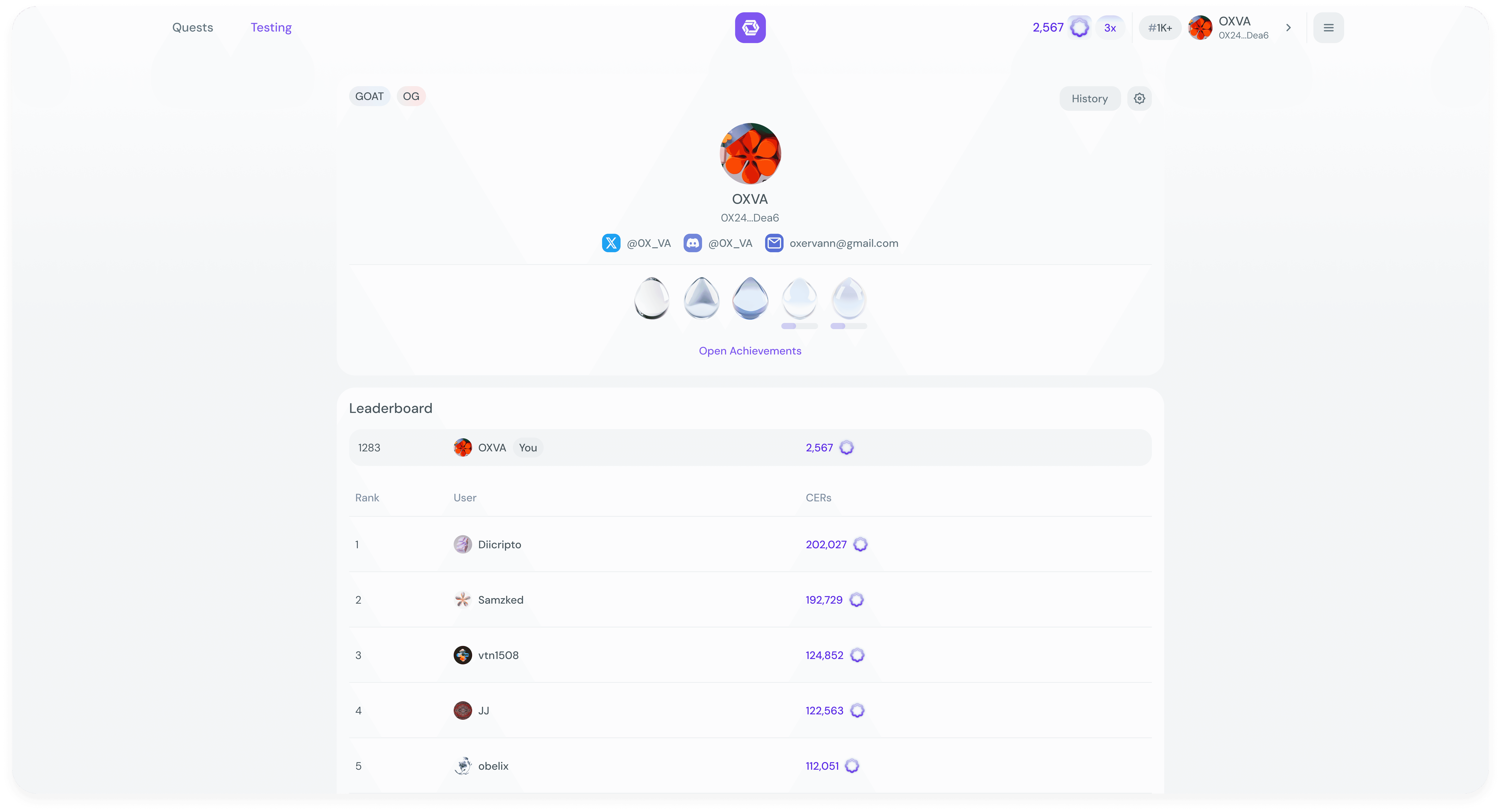
Account Page
Retention Mechanics — Daily Engagement Instead of One-Time Use
Challenge
Research showed that user motivation dropped sharply in the middle of the month. Users completed available quests and had no reason to return regularly.
Iteration & Solution
To address this, I focused on introducing repeatable, low-friction engagement mechanics that benefit both users and the business. Both mechanics were designed to make progress and rewards visible, predictable, and motivating.
Hypotesis 1 - Success
Daily quests that any user can complete
Hypotesis 2 - Success
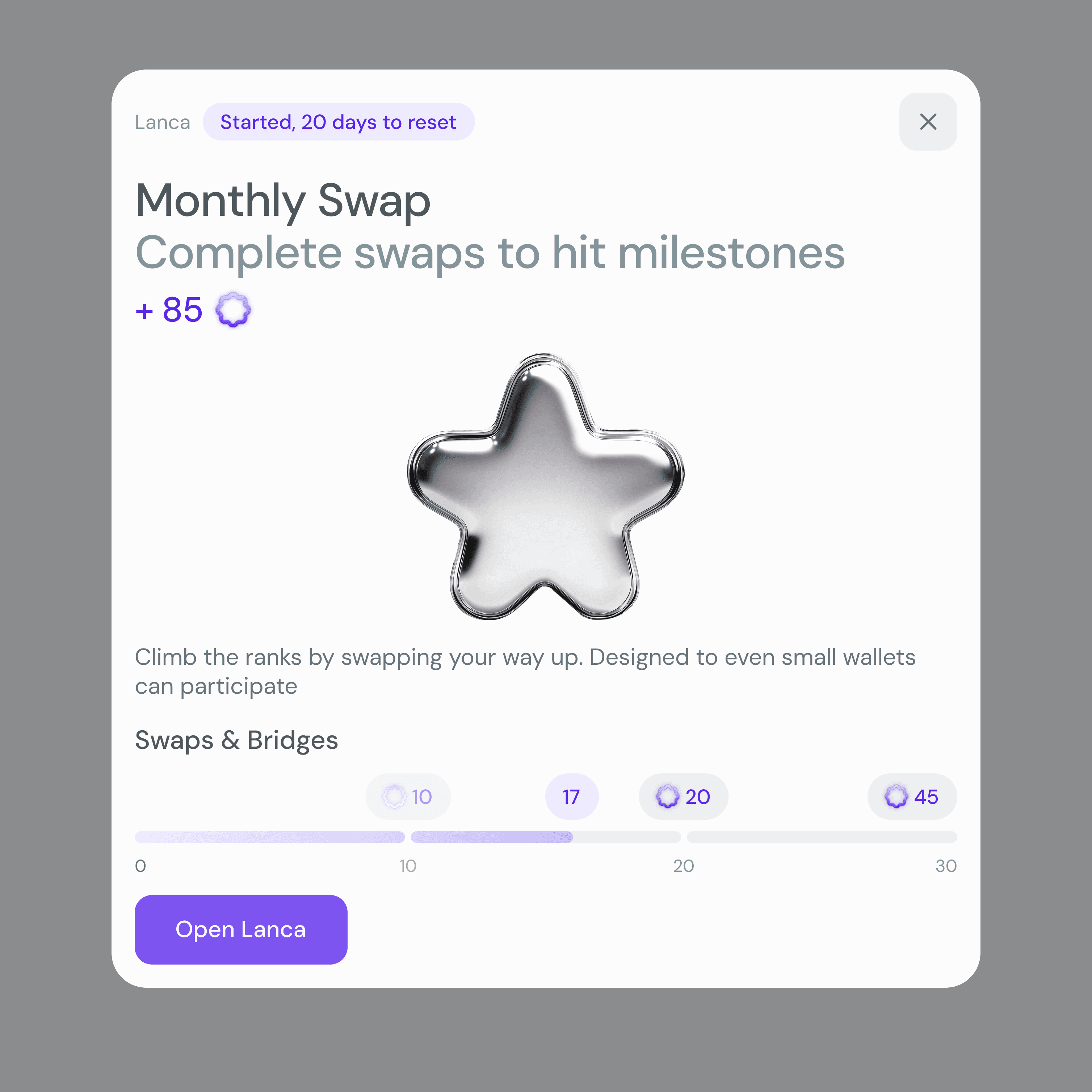
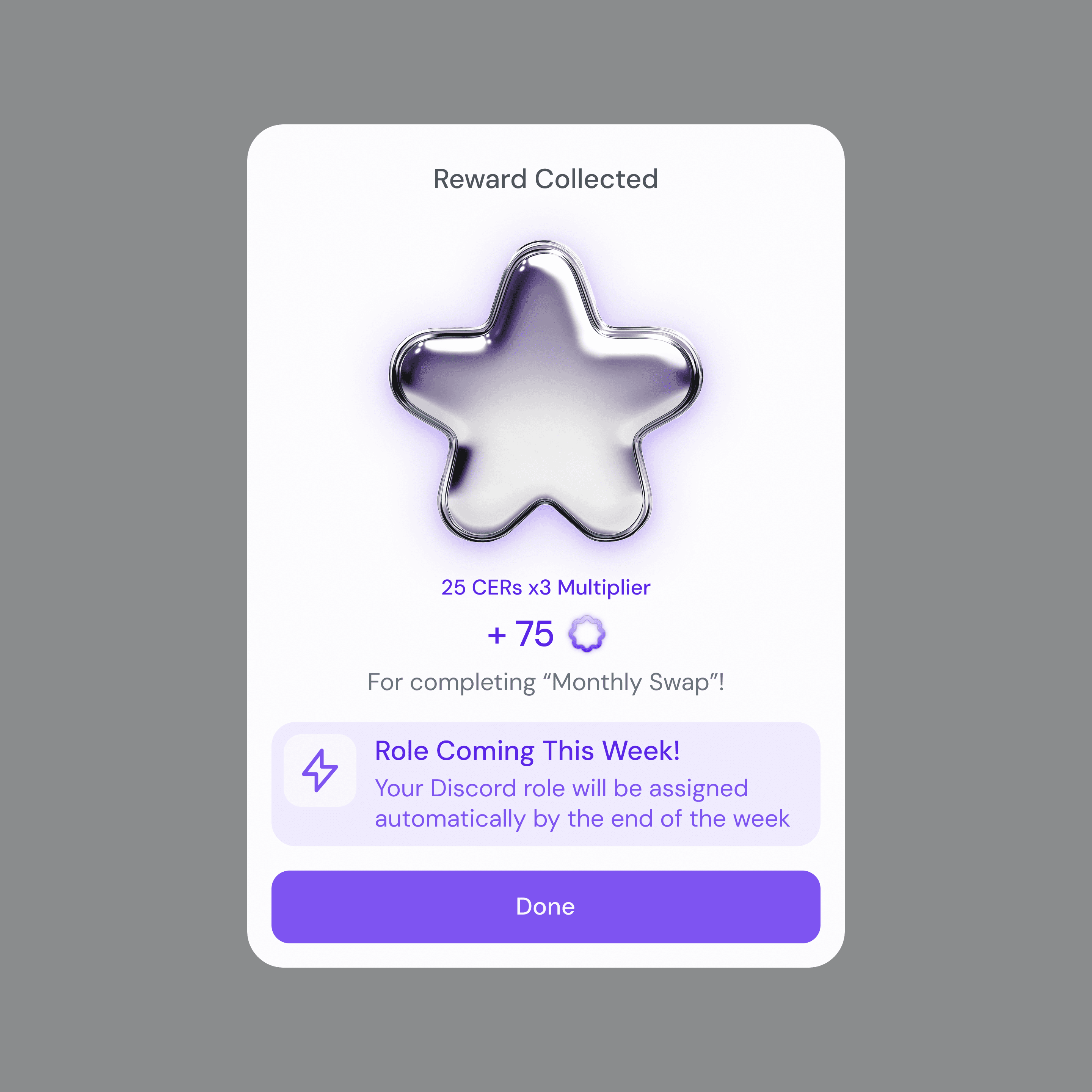
Action-based streaks rewarding consistent behavior over time
Impact
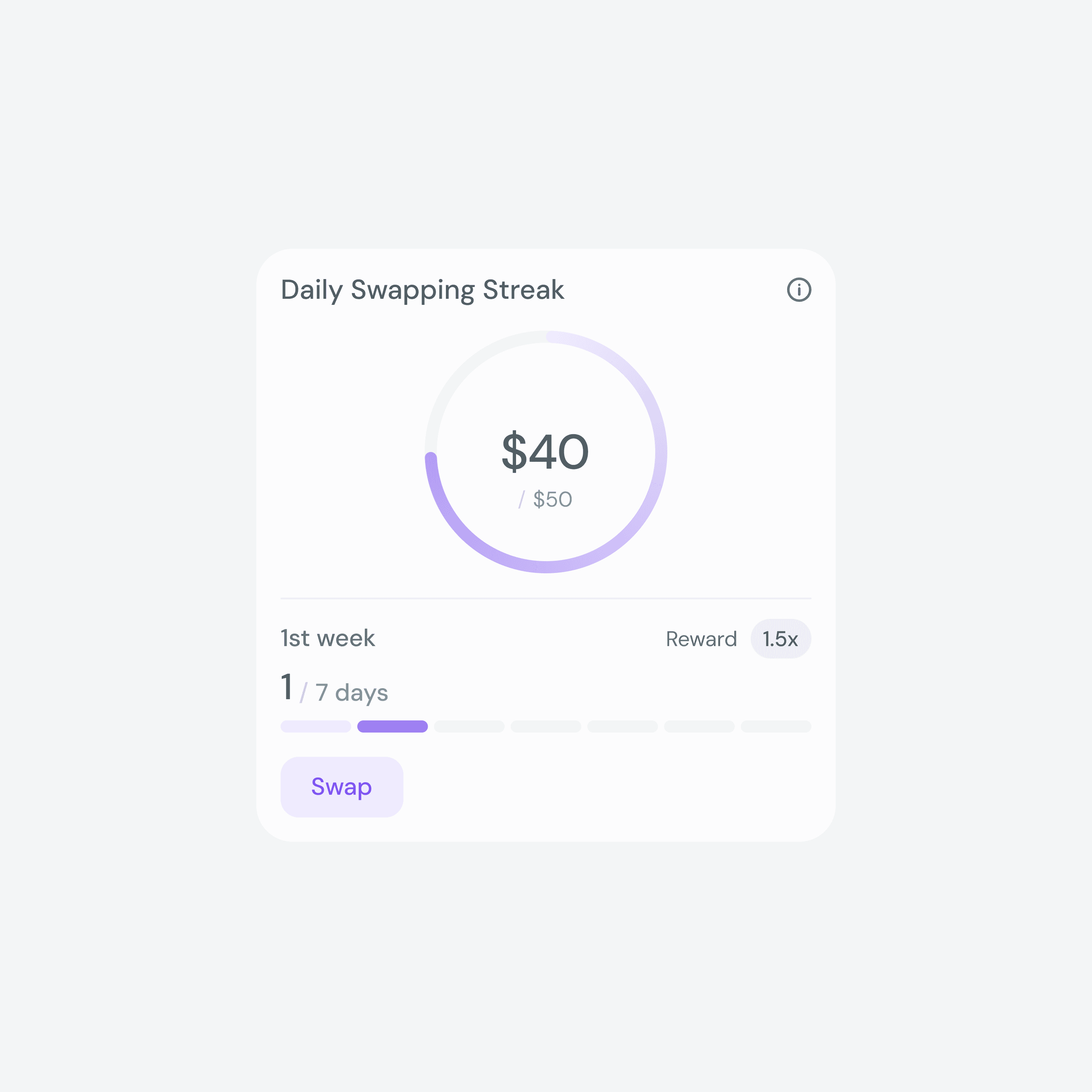
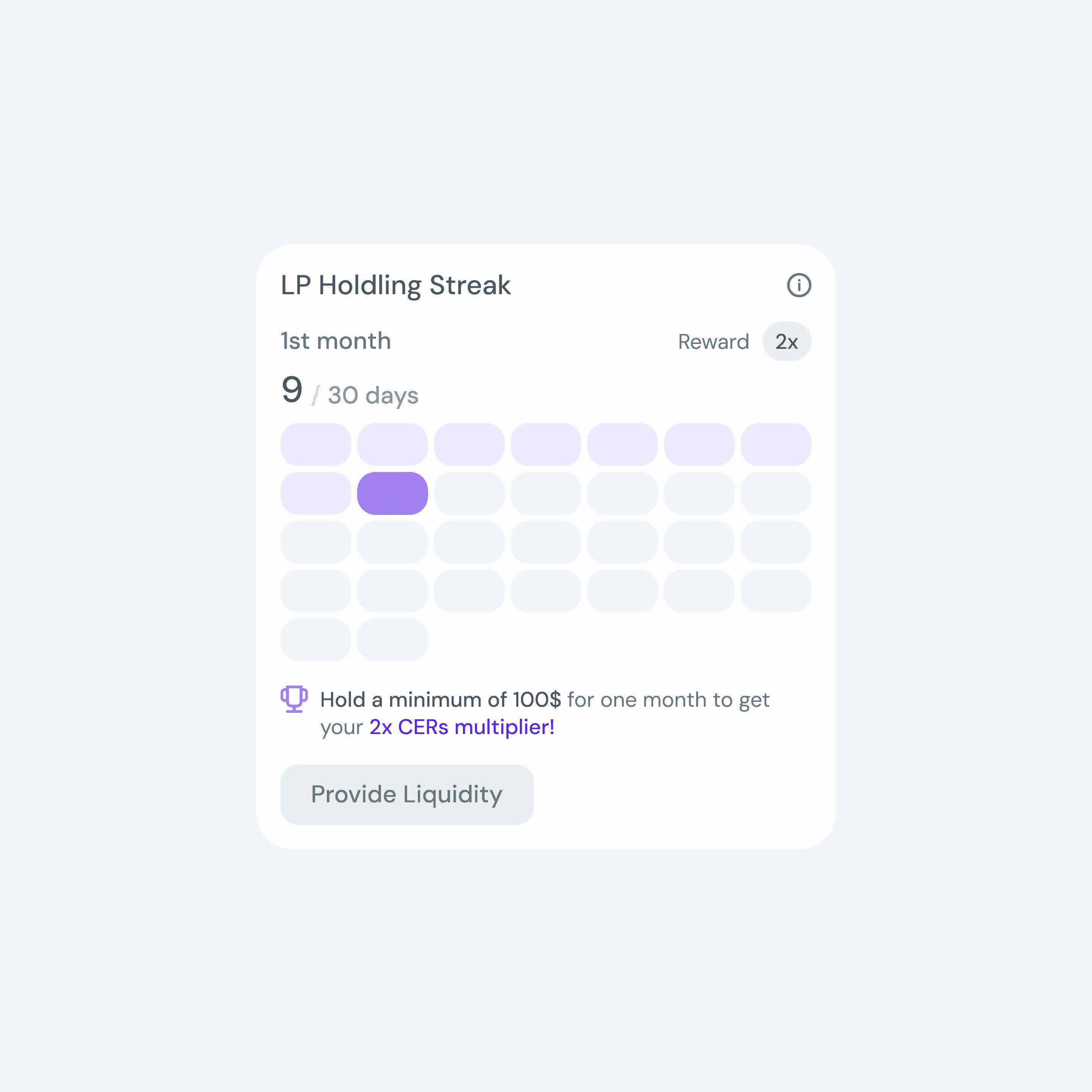
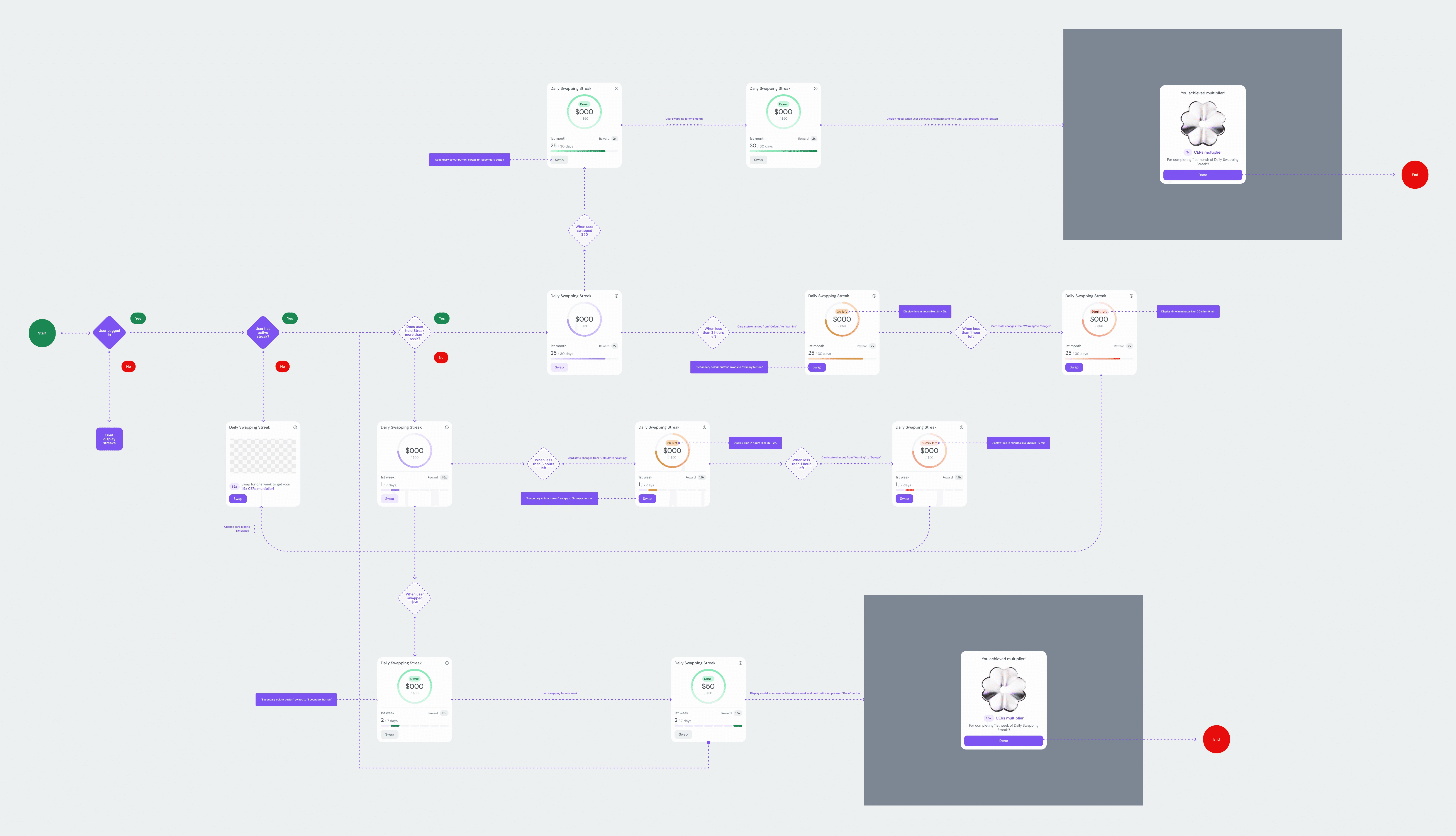
Swapping Streak Flow
Quest Redesign — Reducing Friction in the Core Flow
Challenge
Many users didn’t fully understand what was required to complete quests. In edge cases, they didn’t know what went wrong or how to recover, which led to frustration and drop-off.
Iteration & Solution
I redesigned the quest system with a clear visual hierarchy and step-by-step structure.
Each quest explicitly showed:
Required actions
Validation steps
Current progress
Error states and recovery paths
I also added reusable progress components to the design system to make progress visible and predictable.
Impact
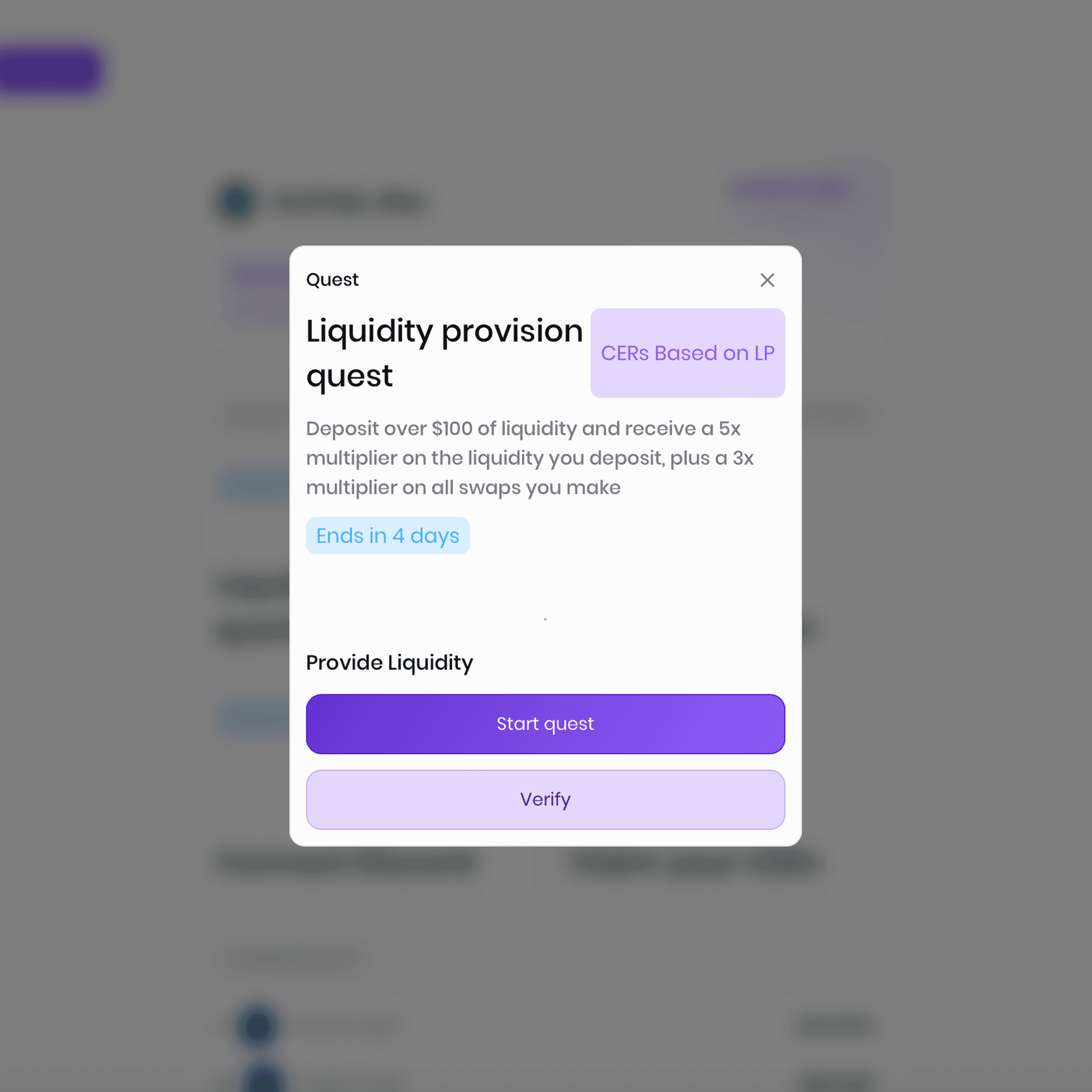
Quest Modal Before
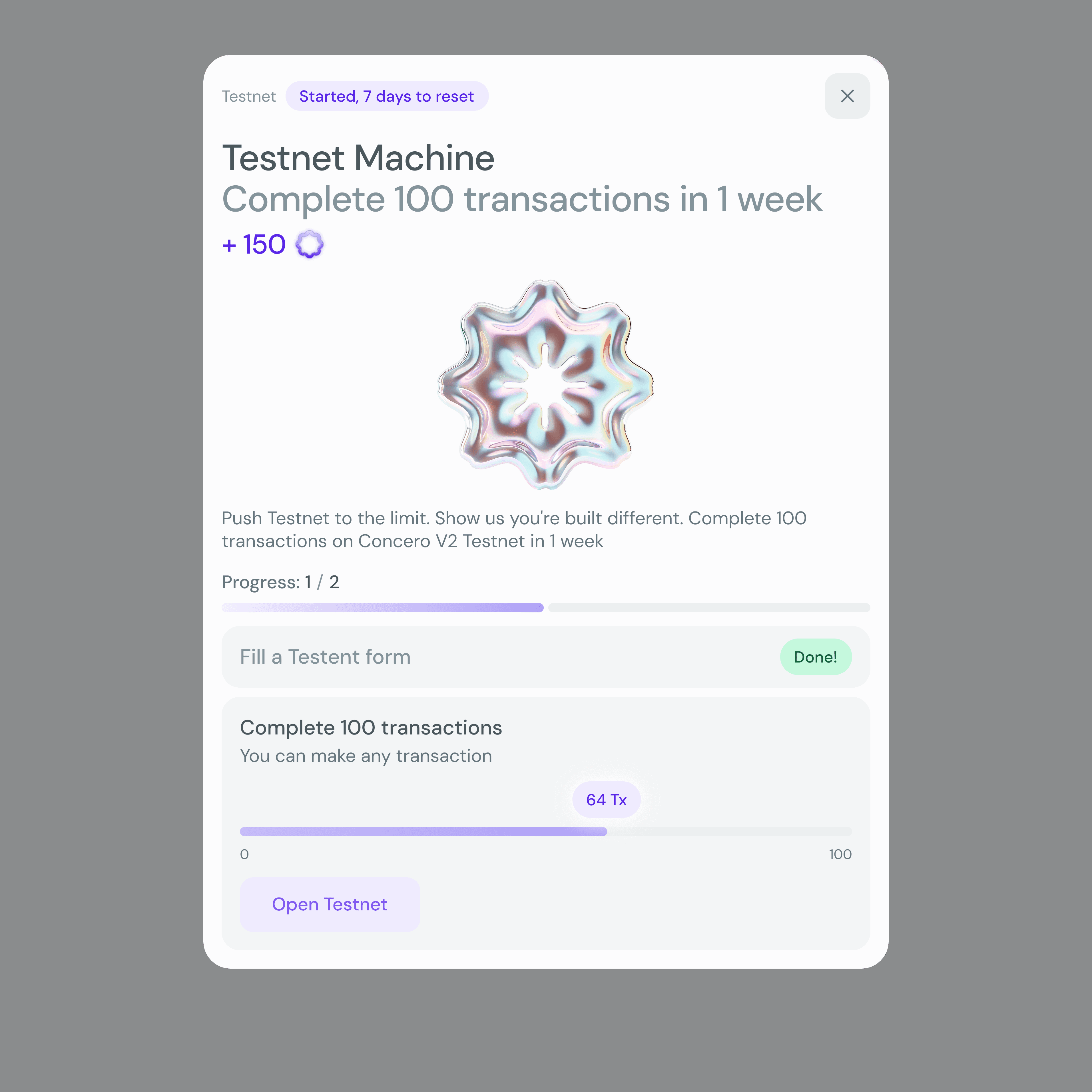
Quest Modal After
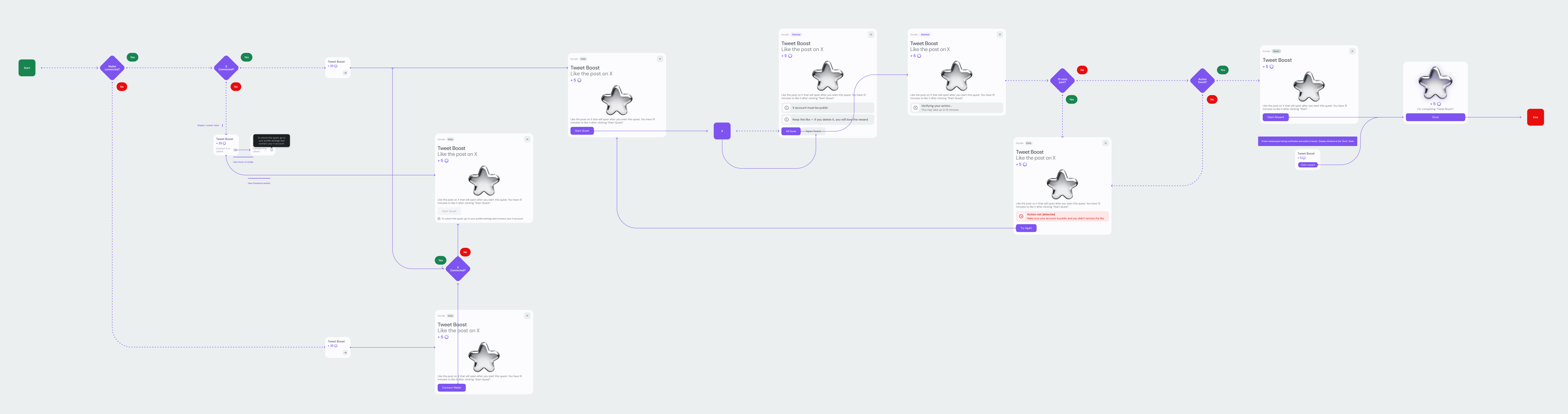
Daily Quest Flow
Next Cases:
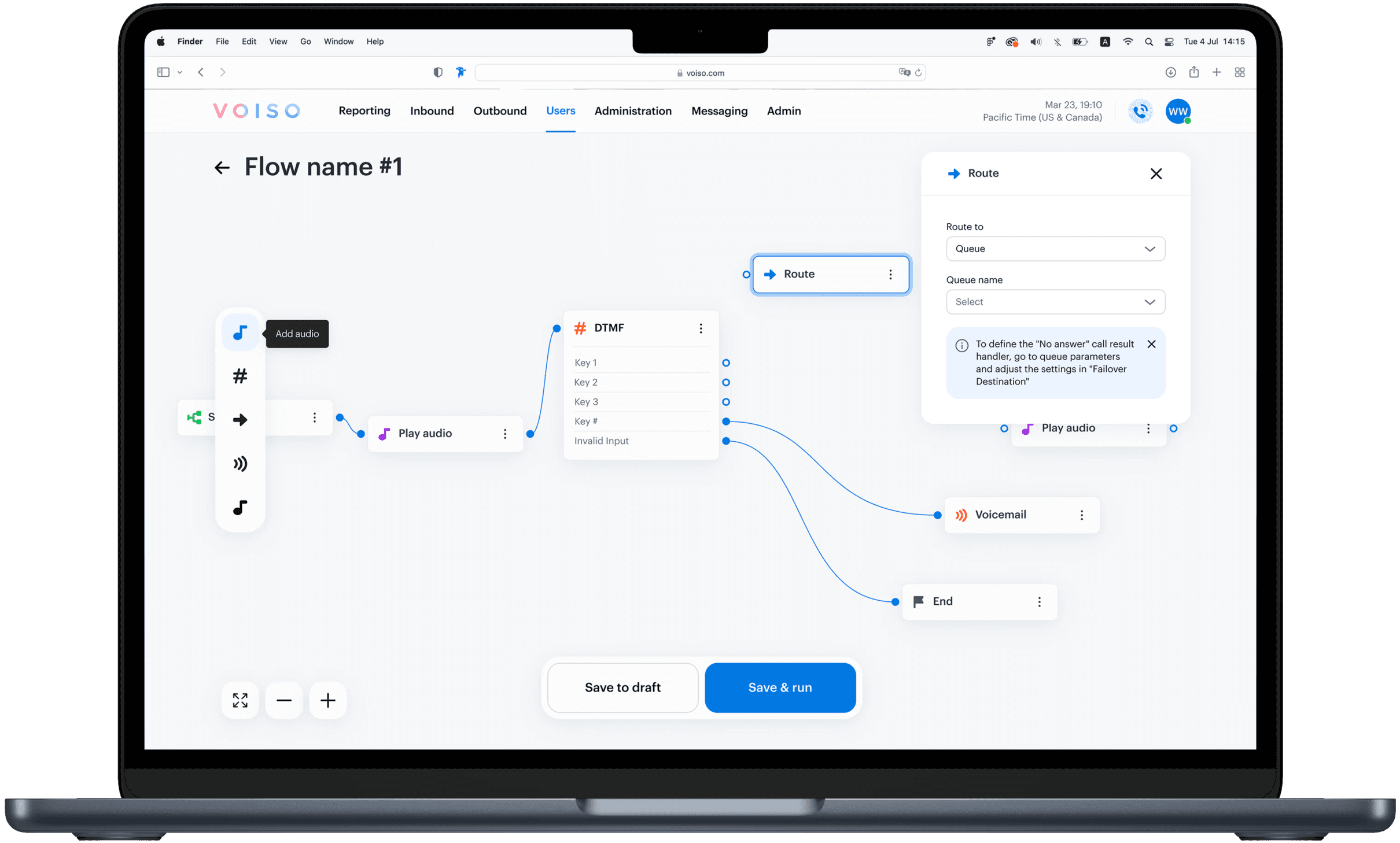
VOISO, AI powered CCaaS platform
=nil; Foundation — Scalable Blockchain Tools