Timeline
Mar 2021 – Aug 2023
Role
Product Designer
Scope
UI/UX Design, User Research, Redesign, Feature Development, Prototyping
Overview
I worked as a Product Designer within a design team on an AI-first CCaaS platform used by call center managers and agents.
I focused on scaling a complex product by redesigning critical flows, extending the design system, and owning new high-impact features.
My work helped improve usability, reduce task effort, and turn complex data into actionable tools for managers.
Chalenges
When I joined the project, Voiso was actively growing, but the product experience did not scale with its complexity. Core workflows were hard to understand, interface patterns were inconsistent, and new features increased cognitive load instead of value.
The main challenge was not visual polish, but how to scale usability and feature depth without breaking the product. My focus was on stabilizing key areas, reducing cognitive load, and designing new functionality that could be adopted without additional friction.
Results
Key Design Decisions
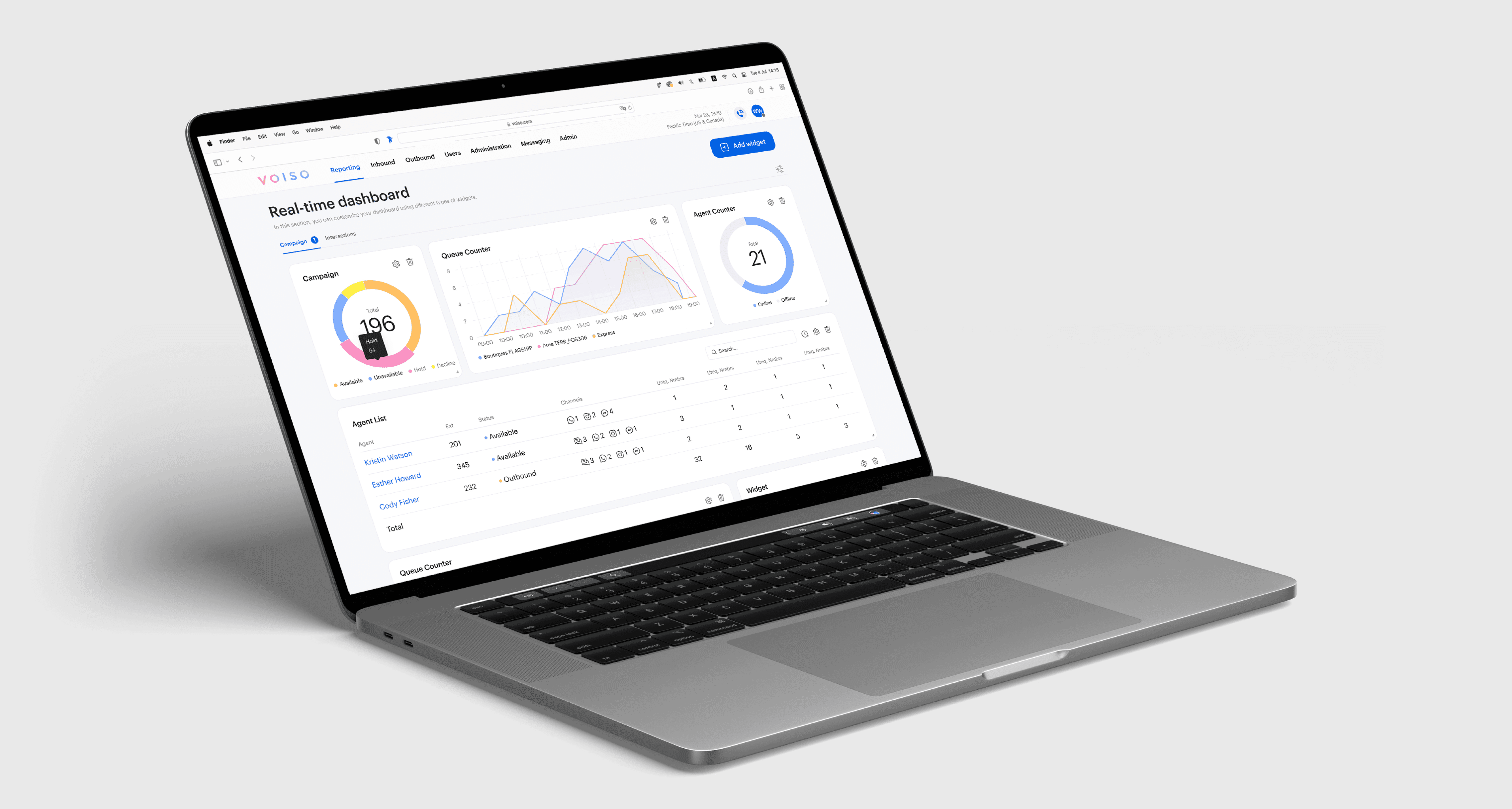
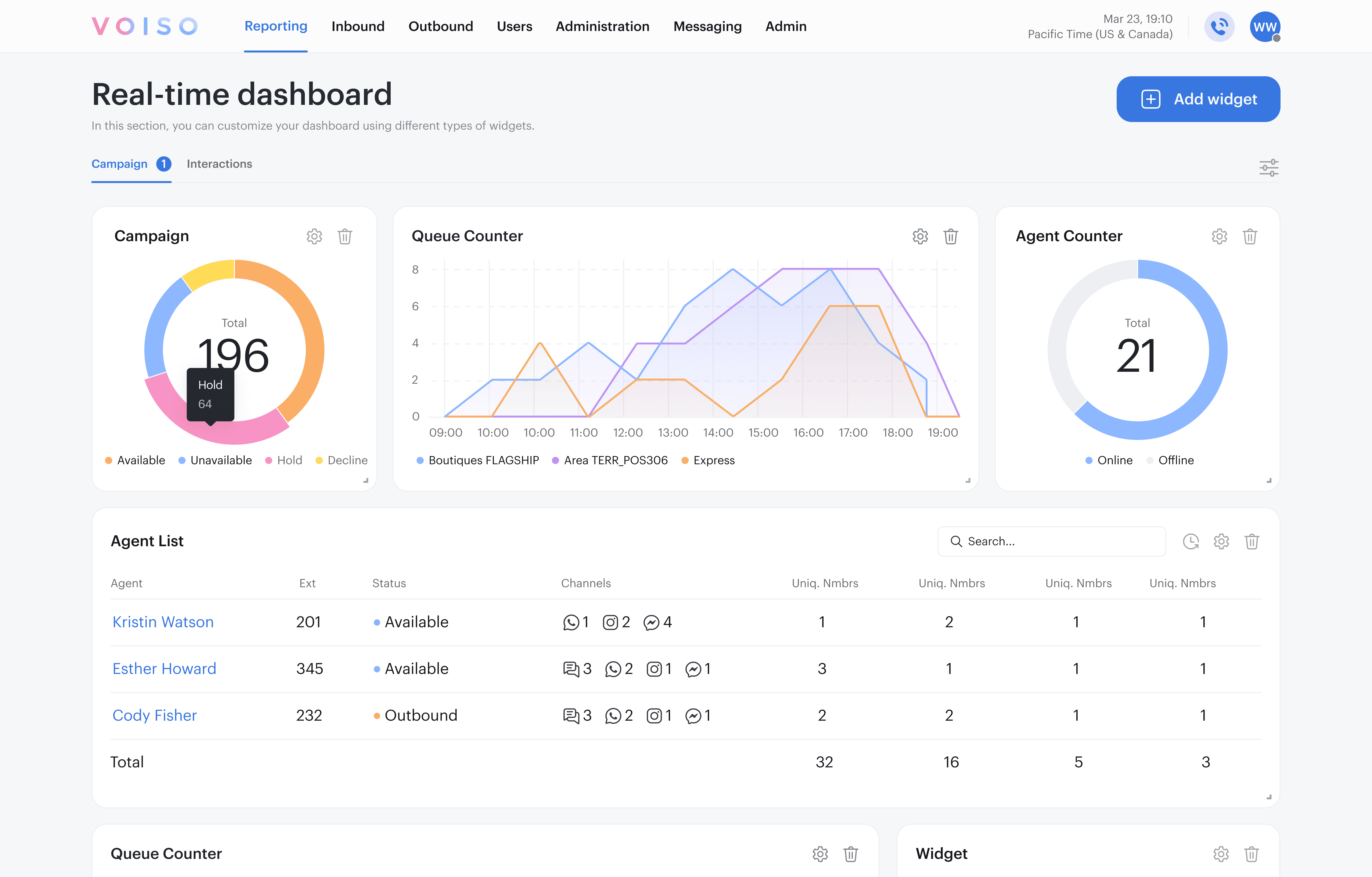
Dashboard Widgets — Consistency and Scalability
Challenge
Dashboards were overloaded and inconsistent. Users saw too much data, much of it irrelevant, and interaction patterns varied between widgets.
Hypotesis 1 - Failed
I initially explored defining a universal set of key metrics, but research and concept validation showed that different managers rely on different indicators.
Hypotesis 2 - Success
Based on feedback on previous hypotesis, I intentionally moved away from a fixed dashboard model and designed a customizable widget-based system.
I unified widget structure, states, and interactions while keeping layouts flexible, allowing users to tailor dashboards to their needs without sacrificing clarity.
Impact
Billing & Account Redesign
Challenge
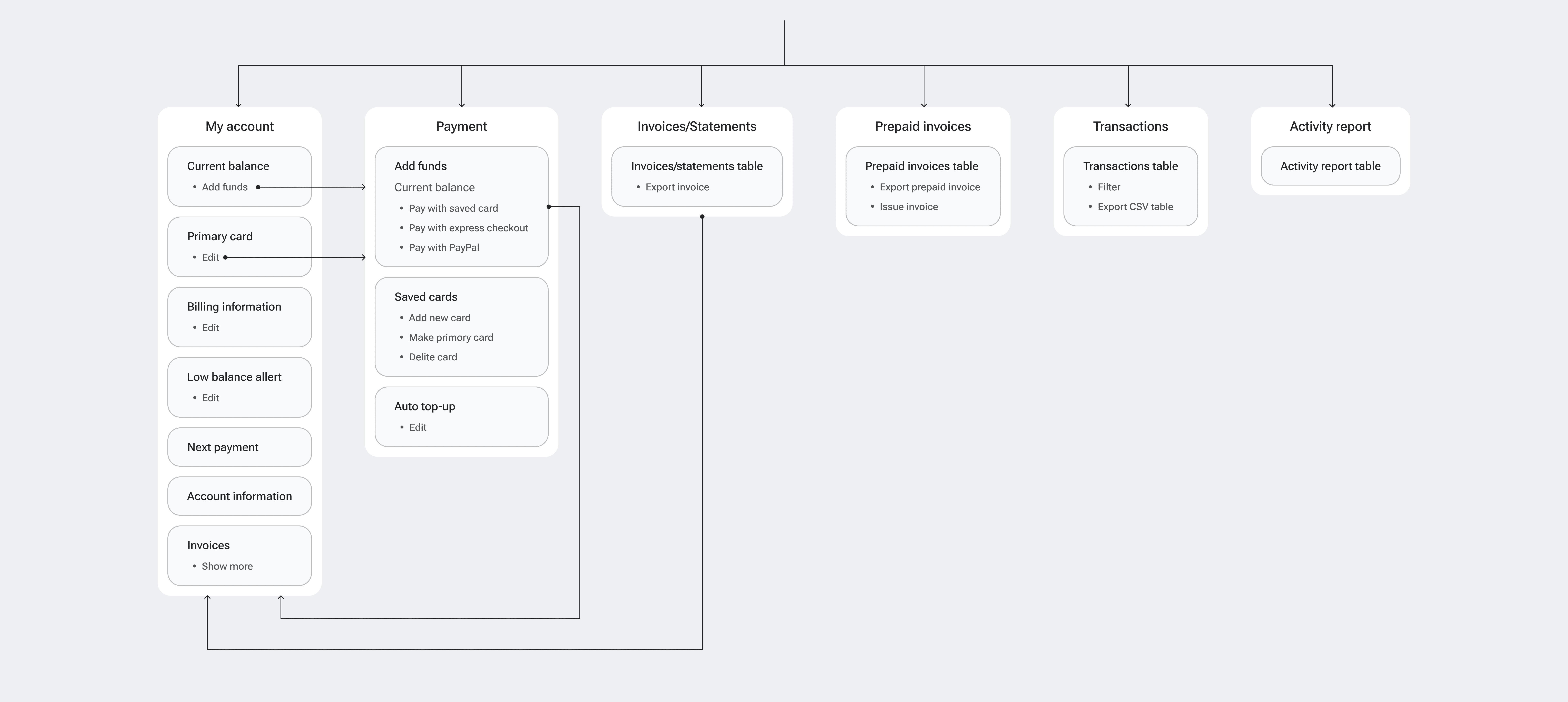
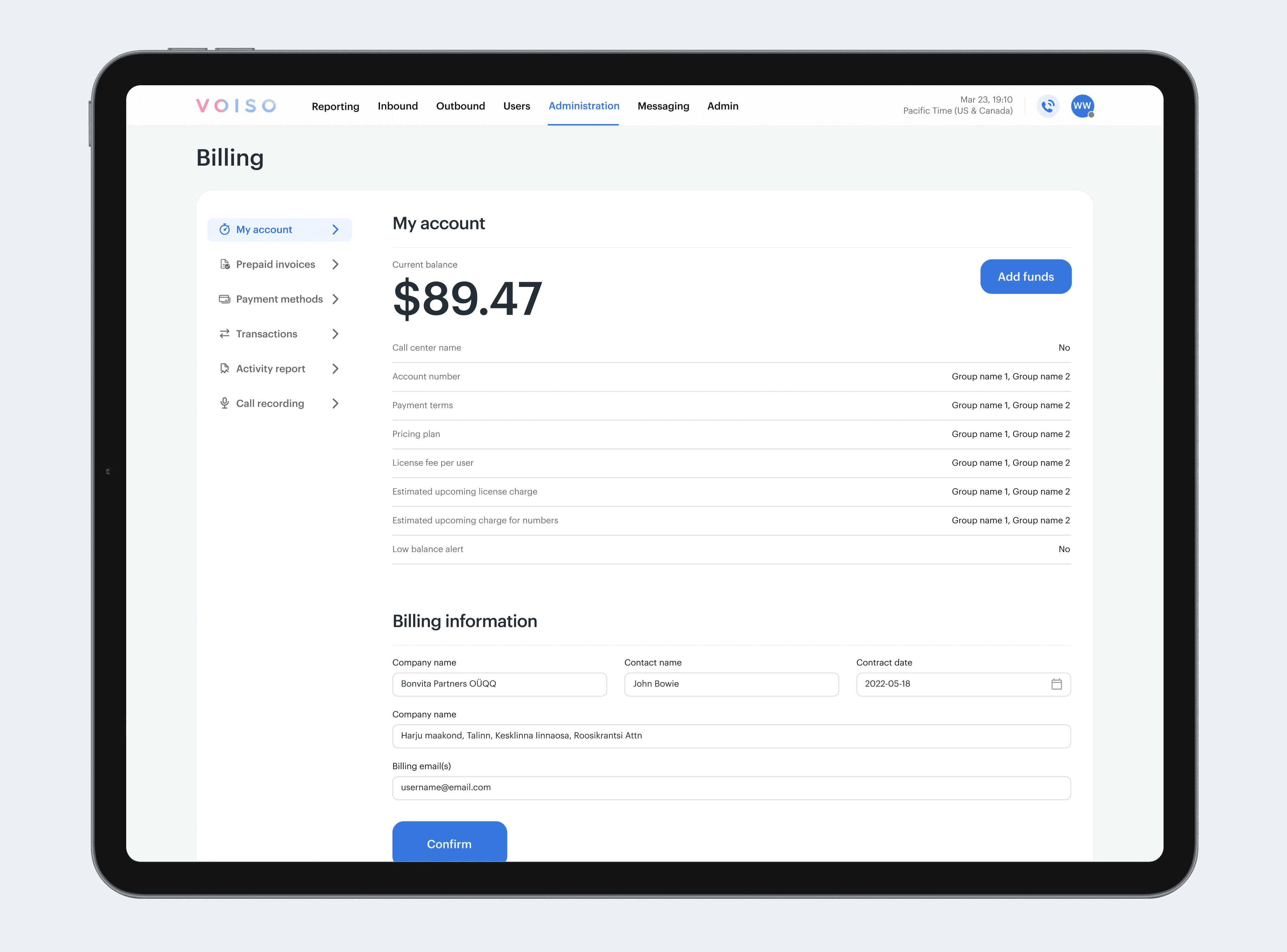
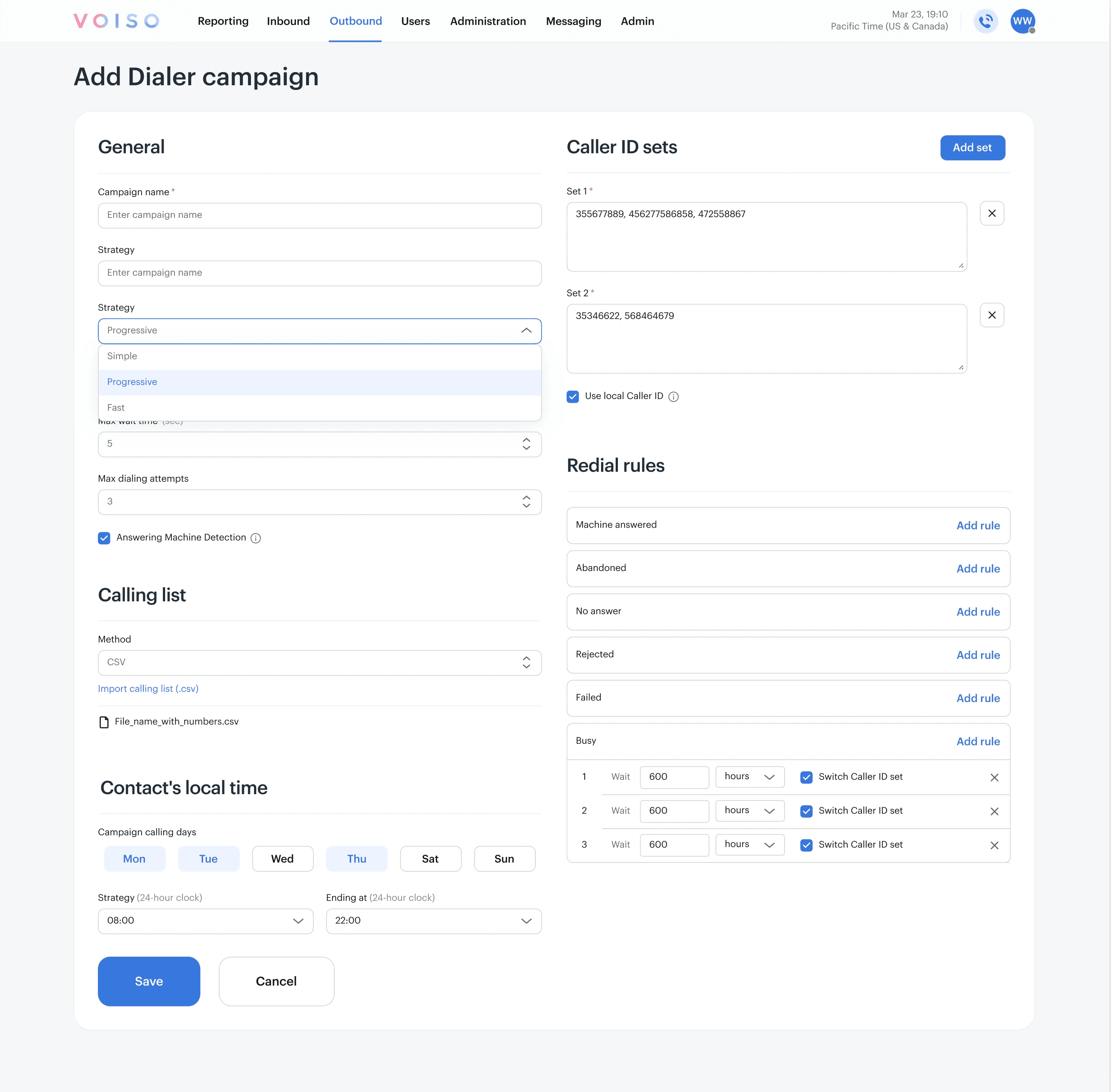
Billing and Account were among the most fragile areas of the product. Users struggled with page structure, spent too much time on basic tasks, and often felt unsure about what to do next.
Solution
I decided to rebuild these flows around user goals rather than system structure. Together with the product manager, I broke down the core scenarios and restructured the screens accordingly. I regrouped information by intent, removed secondary elements, and sequenced actions to reduce unnecessary decision-making.
Impact
Cognitive load was significantly reduced. Users completed key tasks faster and with more confidence, improving both usability and perceived product quality.
AI Call Transcription — Turning Data into Insights
Problem
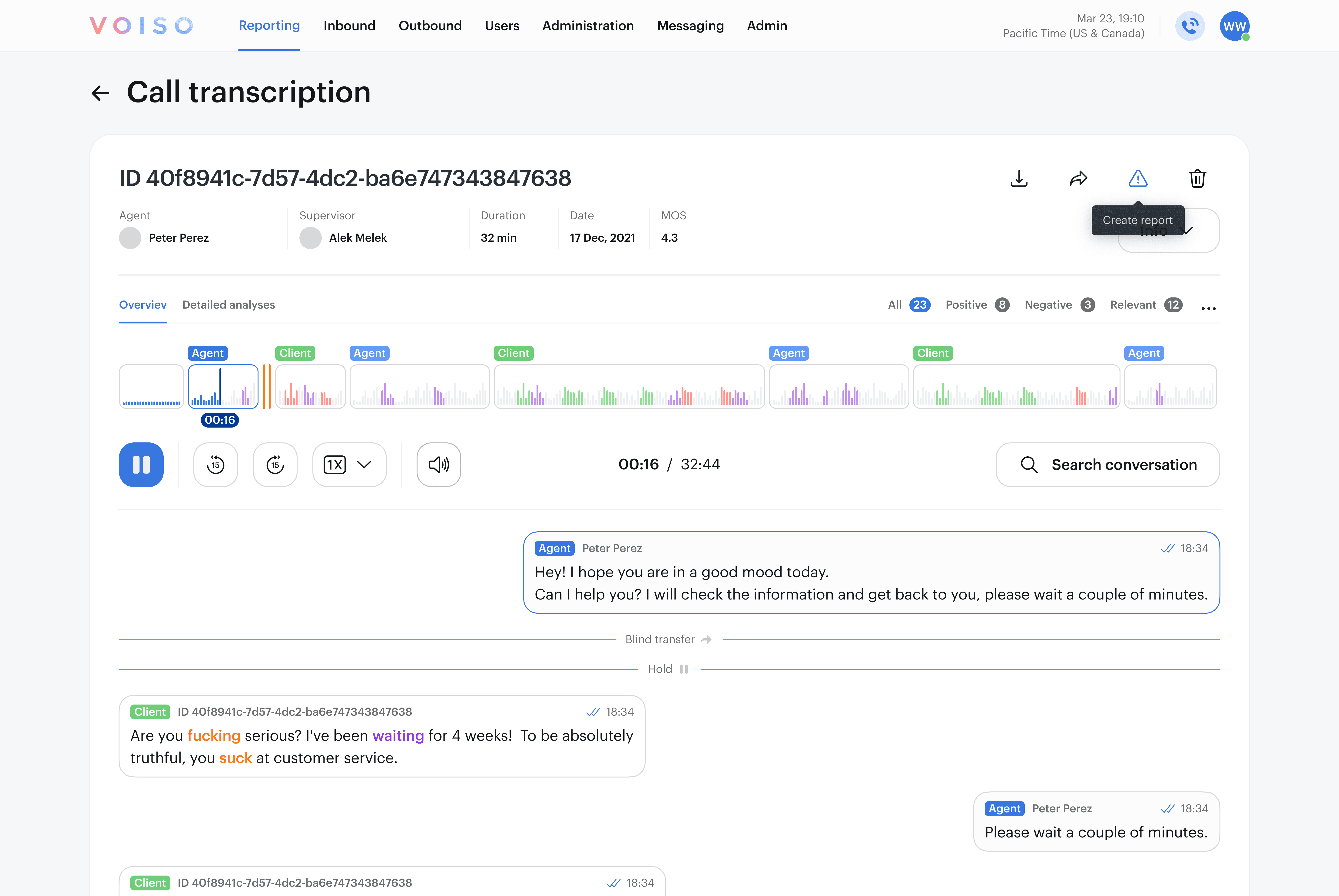
Call analysis did not scale. Managers had to listen to full recordings to understand what happened, which was slow and inefficient.
Solution
Before designing the interface, I focused on understanding how managers evaluate conversations and identify issues. I then designed a transcription experience that immediately highlights problematic and positive moments, helping managers understand tone and key issues without scanning the entire call.
Impact
Managers no longer needed to listen to full recordings. Call analysis became faster and more scalable, and AI Call Transcription evolved into one of Voiso’s unique product differentiators.
Flow Builder — Designing a New Feature from Scratch
Challenge
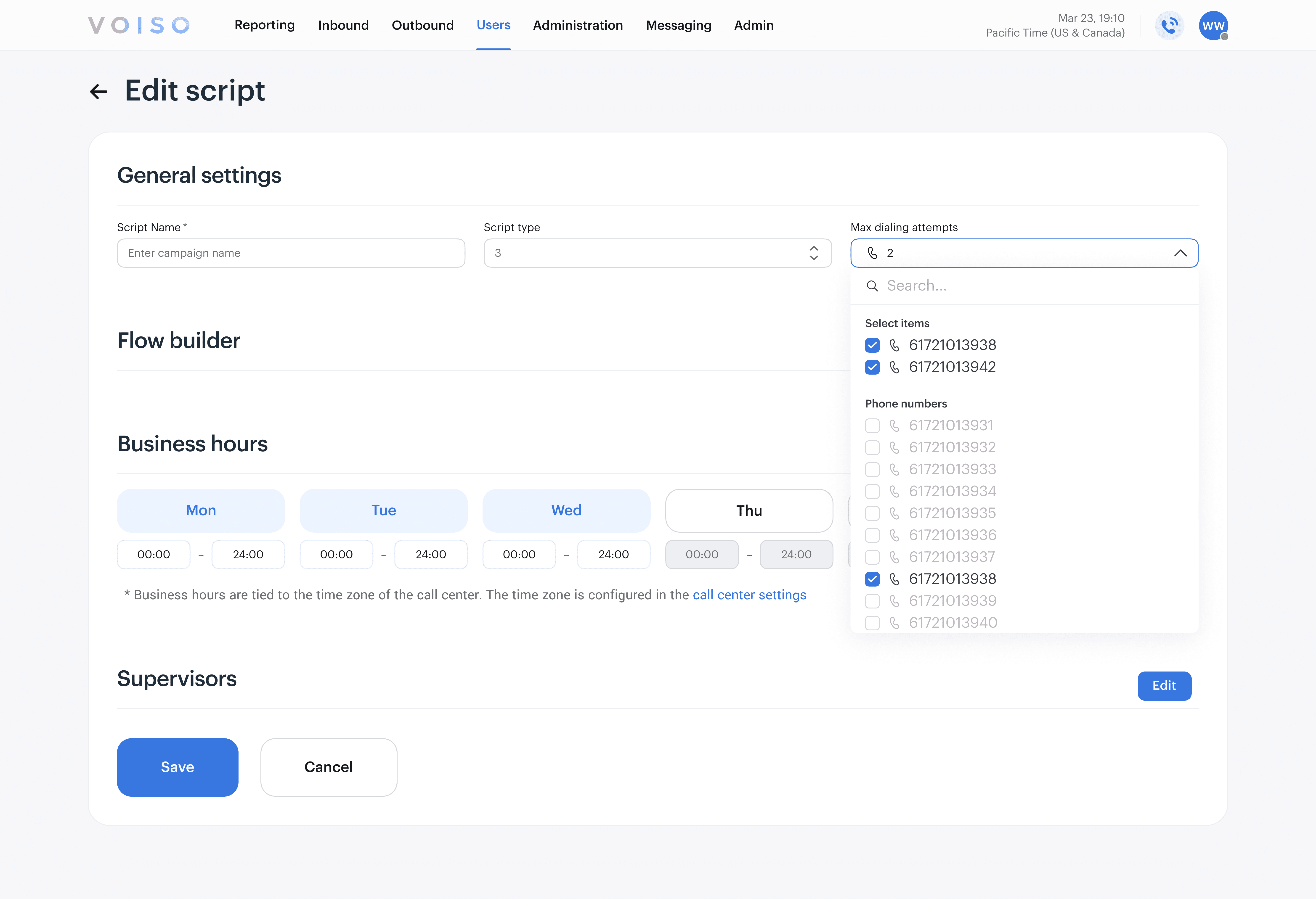
Managers needed to configure call-handling logic, but existing solutions were either too technical or error-prone.
Solution
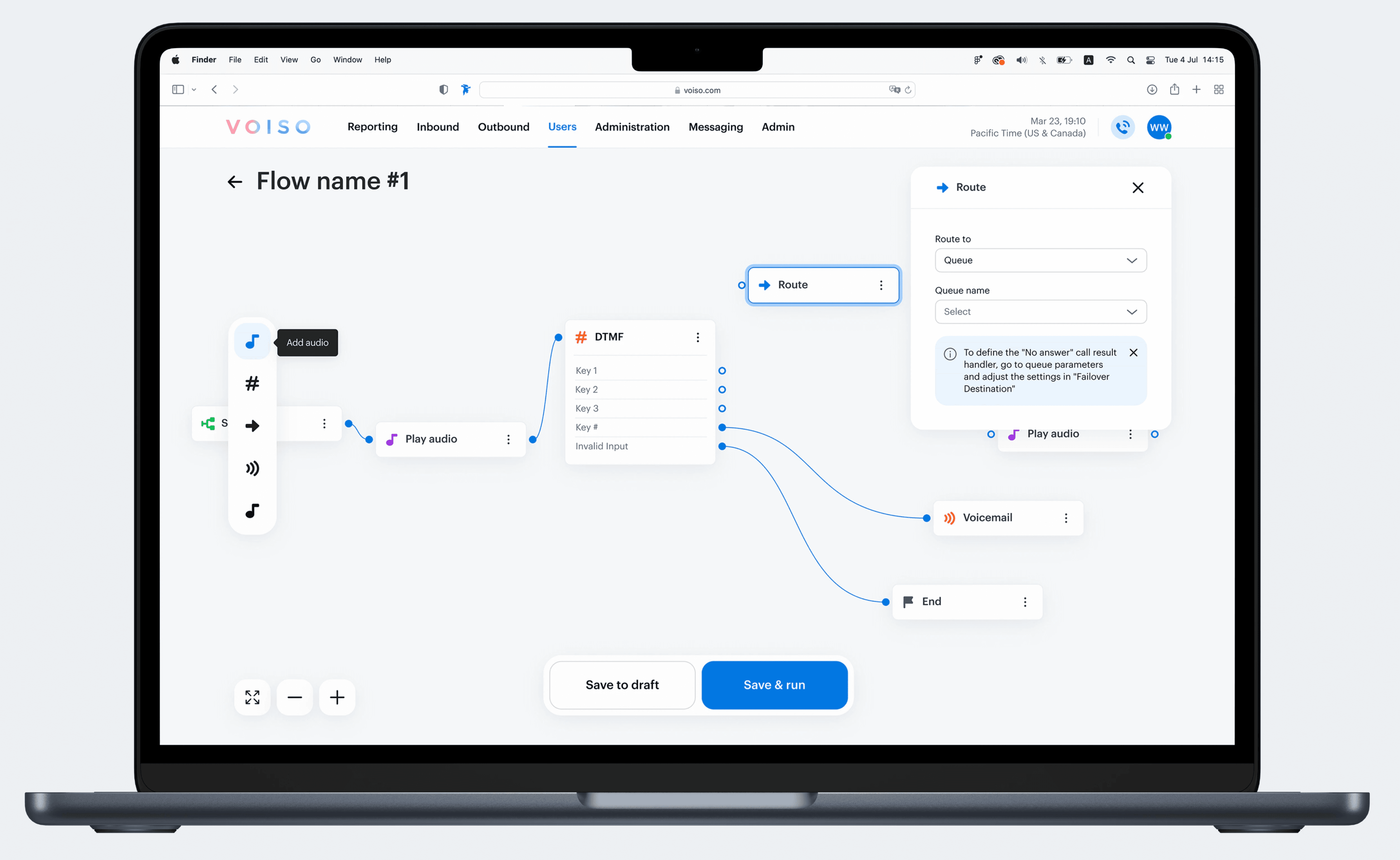
After brainstorming with the product manager and analyzing competitor solutions, I decided to represent call logic as a node-based sequence. Each node could be configured independently, while the full process remained visible end to end.
This made complex logic understandable at a glance and reduced the risk of configuration errors.
Impact
Managers gained a powerful yet approachable tool for configuring flows, lowering setup friction and improving confidence in configuration.
Next Cases:
=nil; Foundation — Scalable Blockchain Tools
Concero, Web3 Rewards Portal