Timeline
Aug 2023 – Aug 2024
Role
Product Designer
Scope
UI/UX Design, User Research, Design System, Prototyping
Overview
I worked as the only Product Designer on two core products — Sandbox and zkSharding — for a Web3 infrastructure company building scalability solutions for Ethereum.
I designed both products from scratch, established a unified design system, and focused on making complex technical systems understandable for developers, partners, and non-technical stakeholders.
Chalenges
=nil; Foundation builds low-level blockchain infrastructure, which makes product communication especially challenging. The core problem was not lack of functionality, but lack of clarity.
Developers needed tools to test and understand the system, while partners and investors needed a clear way to evaluate performance, scalability, and reliability.
My challenge was to translate complex infrastructure into clear, credible product experiences that support both technical usage and business goals.
Results
Key Design Decisions
Sandbox — Making Infrastructure Approachable for Developers
Challenge
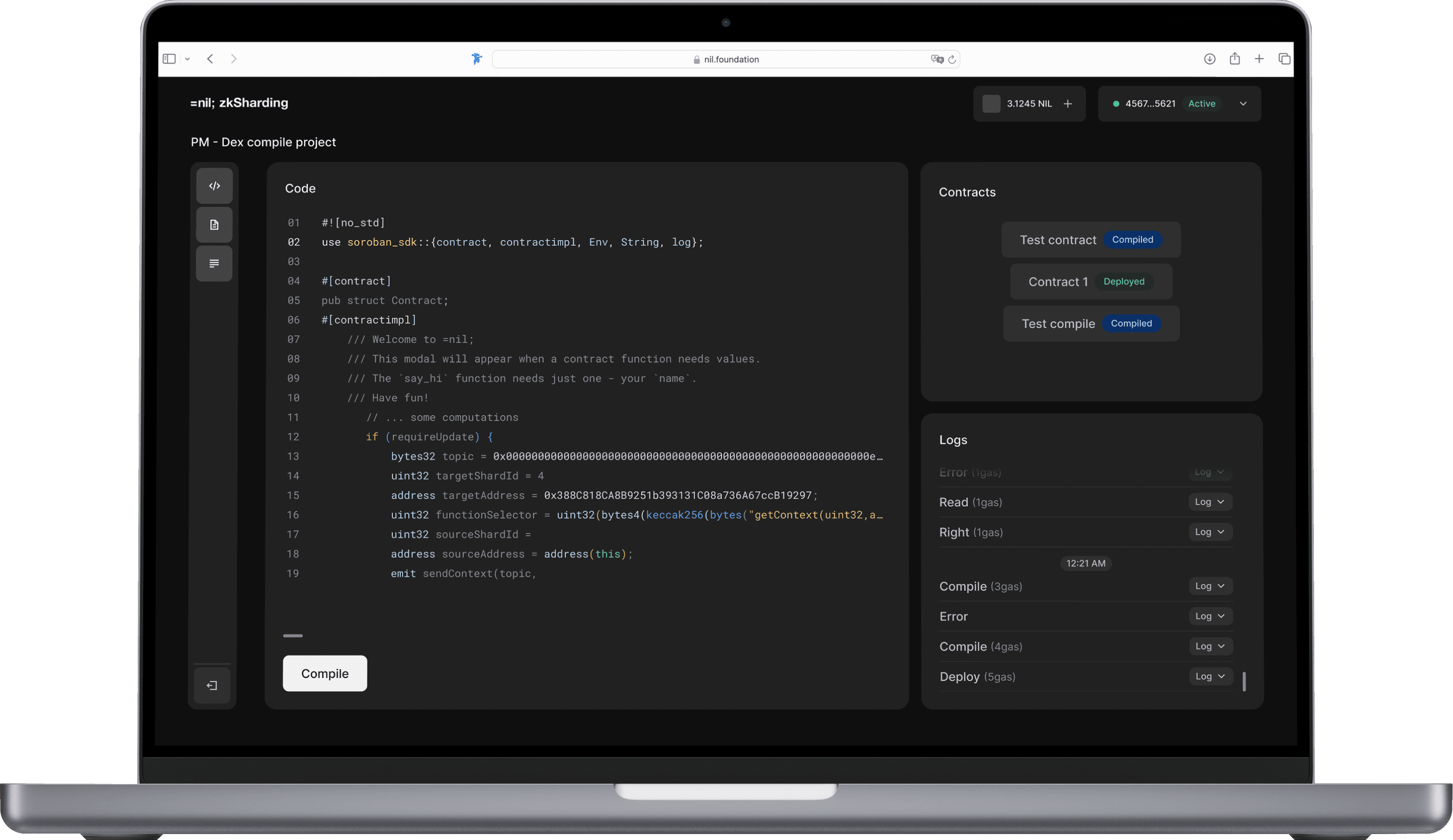
Sandbox was designed to showcase how developers can build and run DEX contracts on top of the =nil; infrastructure. However, many users struggled to understand where to start, how to structure their actions, and how to interpret execution results.
Solution
I started by interviewing developers to understand their real workflow when writing and testing smart contracts. Based on these insights, I defined core job stories and mapped the process into a CJM.
I designed Sandbox as a step-by-step experience, guiding users through writing, executing, and validating code in a clear sequence. To reduce entry friction, I added a pre-written contract template that could be launched with one click, allowing users to explore the system even without prepared code.
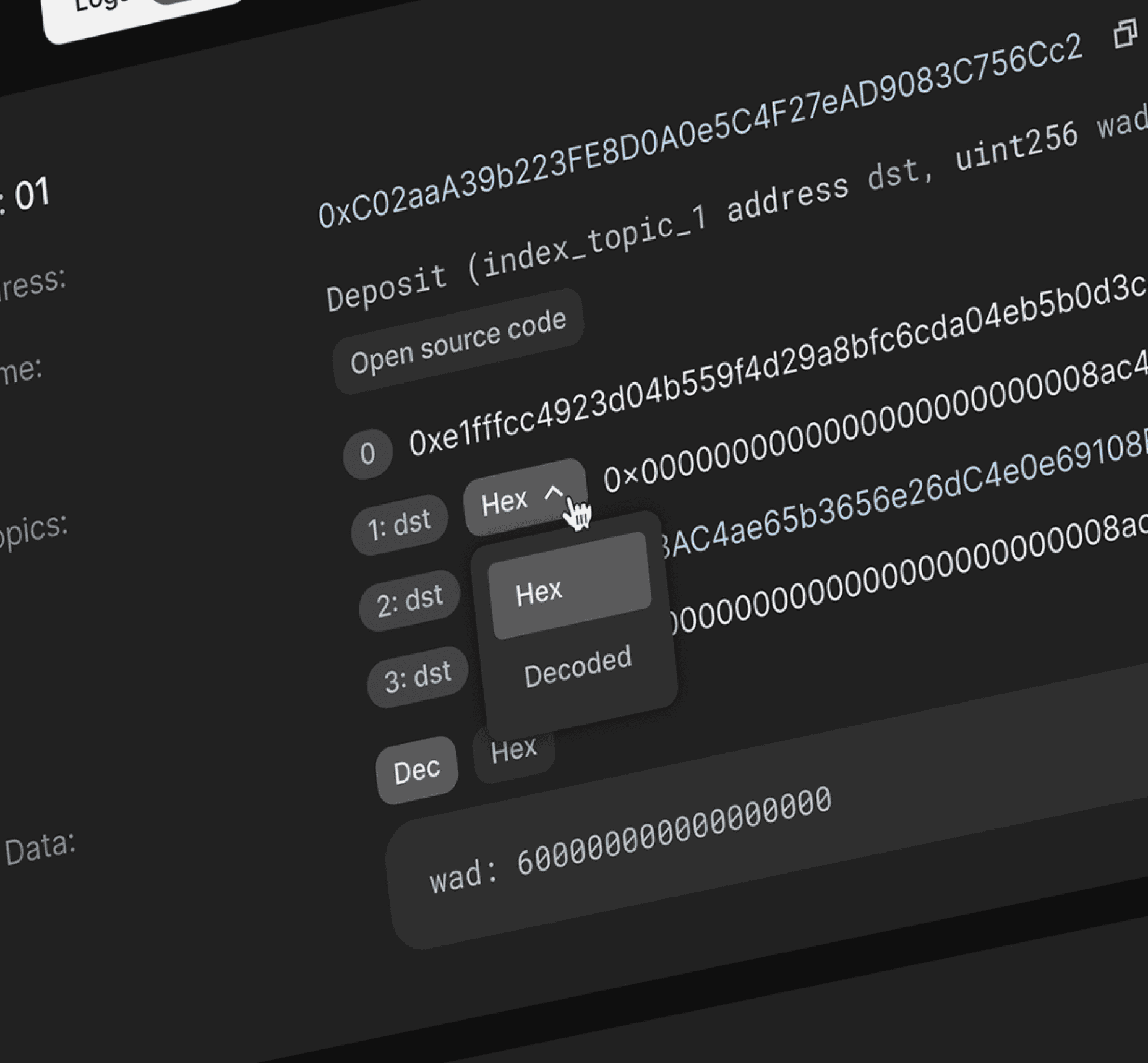
I also redesigned log output to be structured around events and actions, so users could first see what happened and only dive into raw logs when needed.
Impact
Sandbox became easy to understand and fast to use. Developers were able to validate ideas more quickly and better understand execution costs and system behavior.
Modular Interface
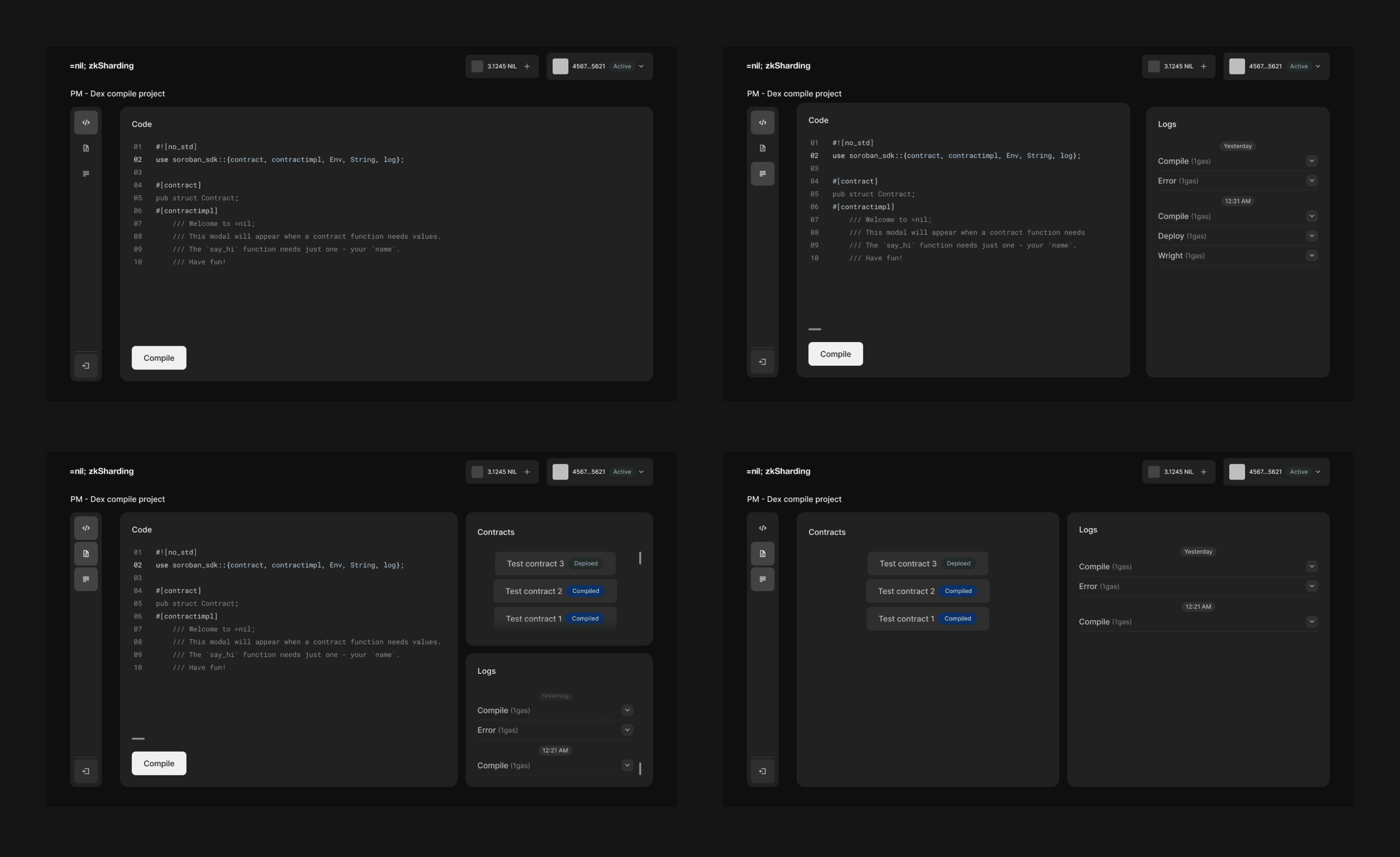
Widgets are displayed depending on the user’s current stage.
Users can add, remove, or rearrange modules to create their own workspace — improving focus and reducing cognitive load.
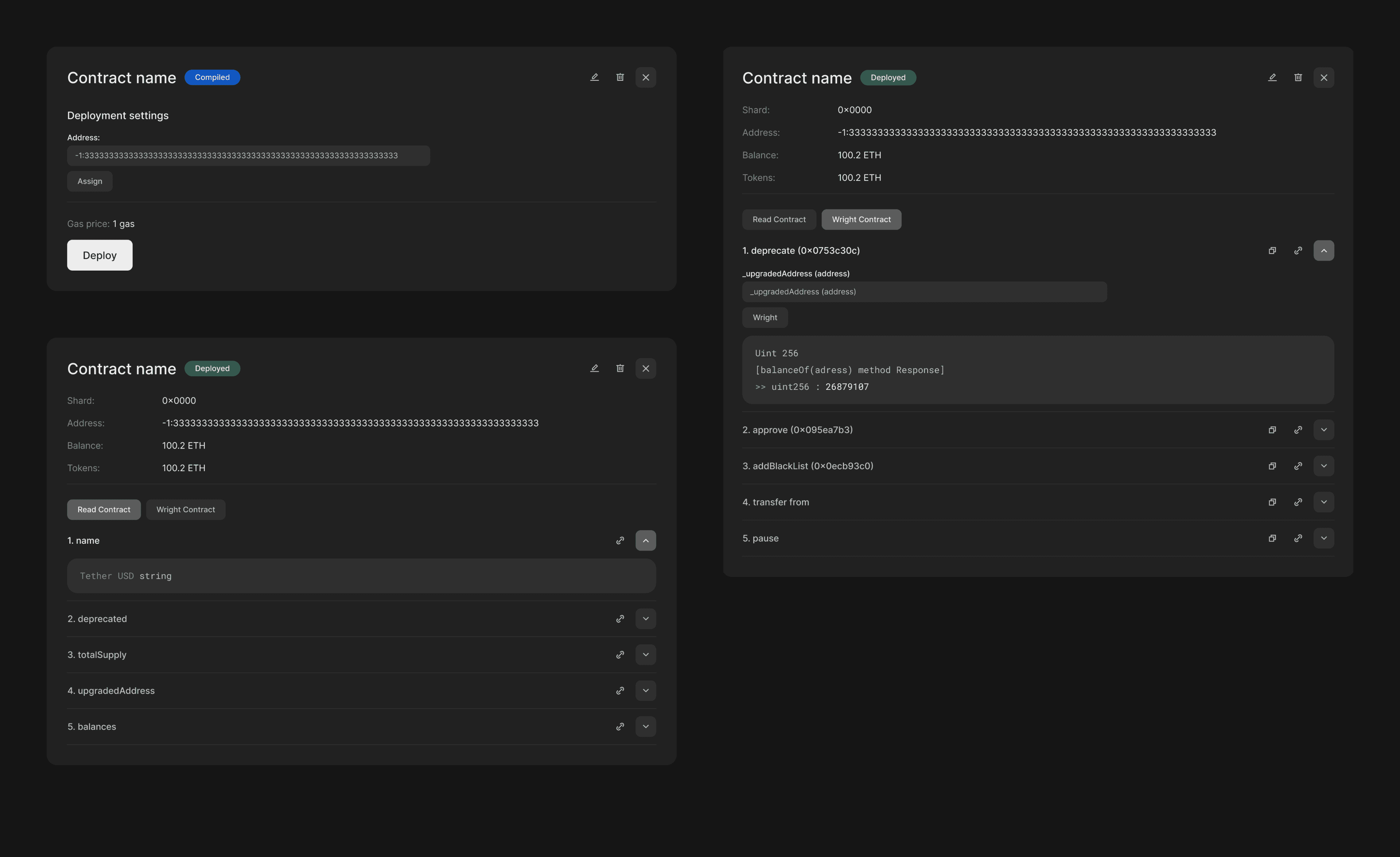
Contract Modals
Validation and iteration:
After an initial workshop, I collected user feedback and identified two main issues:
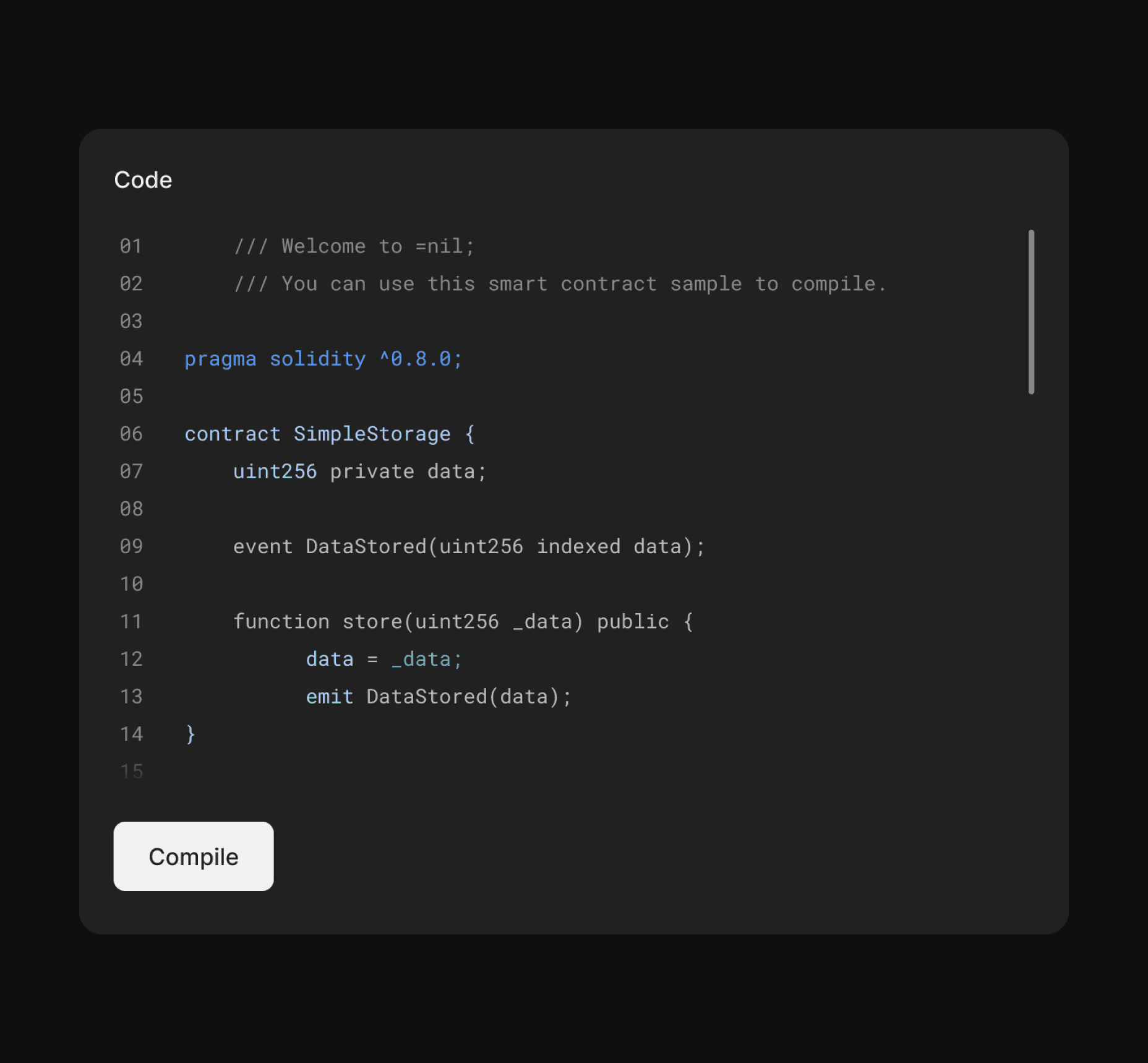
1. Not all users had code ready
I added a pre-written template that could be launched with one click.
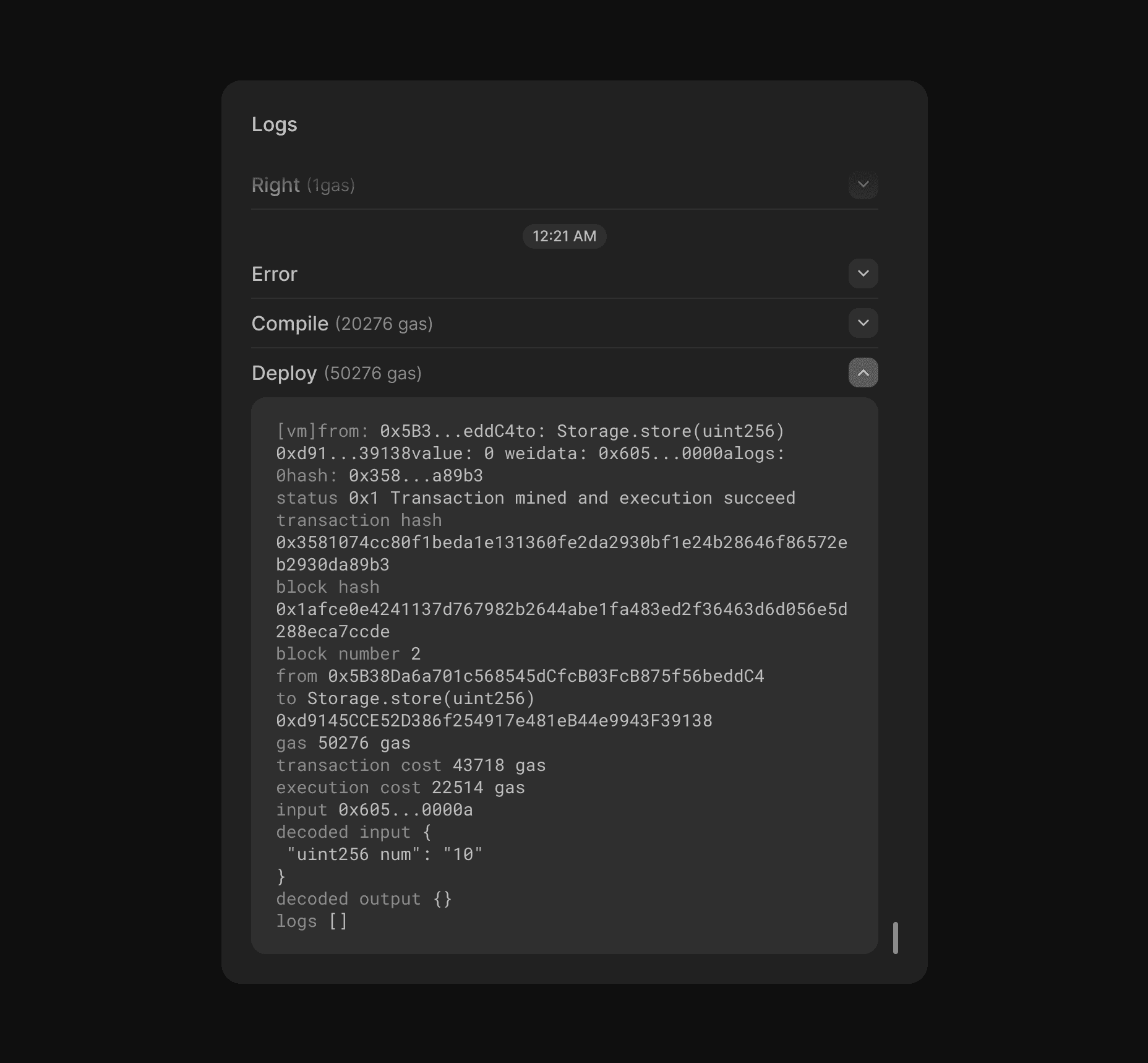
Users struggled with logs
I structured logs by events and actions, allowing users to see results first and dive into code only when needed.
zkSharding — Communicating System State to Multiple Audiences
Goal
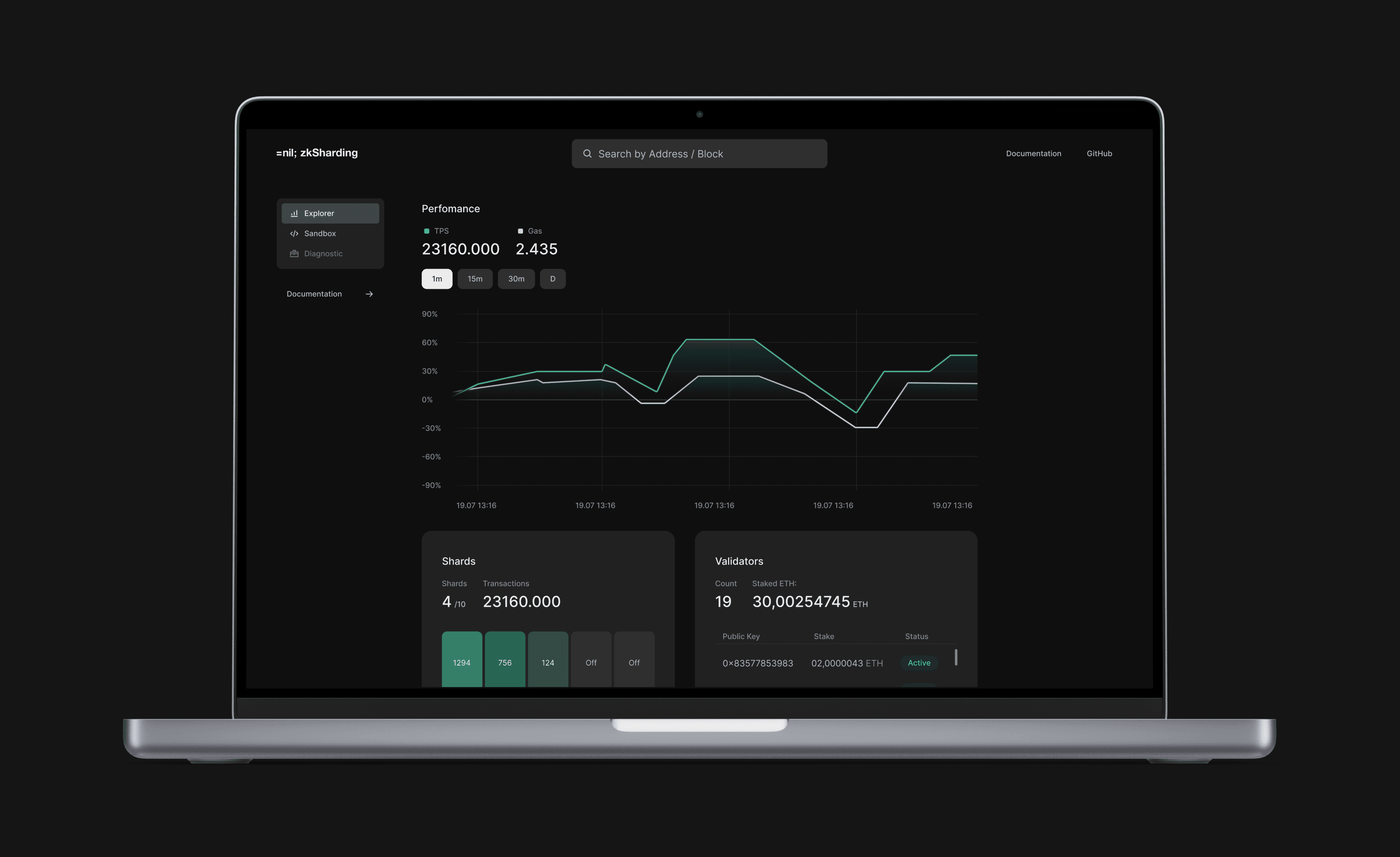
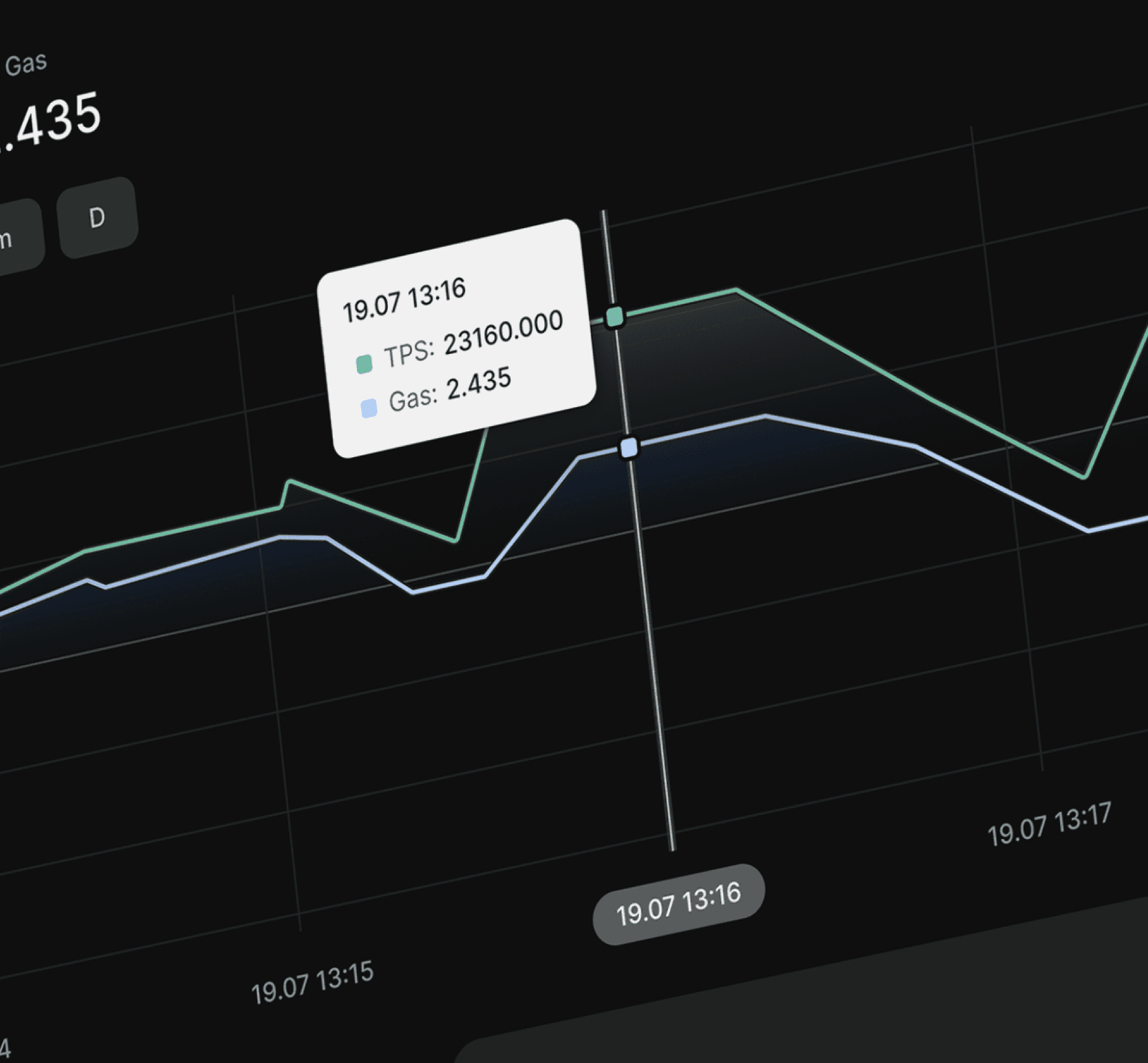
zkSharding needed to present the real-time state of the protocol in a way that worked for both technical and non-technical users. Raw metrics alone were difficult to interpret and failed to communicate system health clearly.
Solution
I researched industry standards and interviewed users to understand how different audiences evaluate protocol health. Based on this, I designed the interface using a top-down information hierarchy.
Users first see high-level indicators that answer a simple question: Is the system operating as expected? From there, they can progressively explore deeper metrics and, if needed, drill down to individual transactions.
Impact
zkSharding became a trusted way to communicate protocol performance across audiences. It was actively used in demos, marketing materials, and investor conversations, directly contributing to increased industry engagement and stronger product positioning.
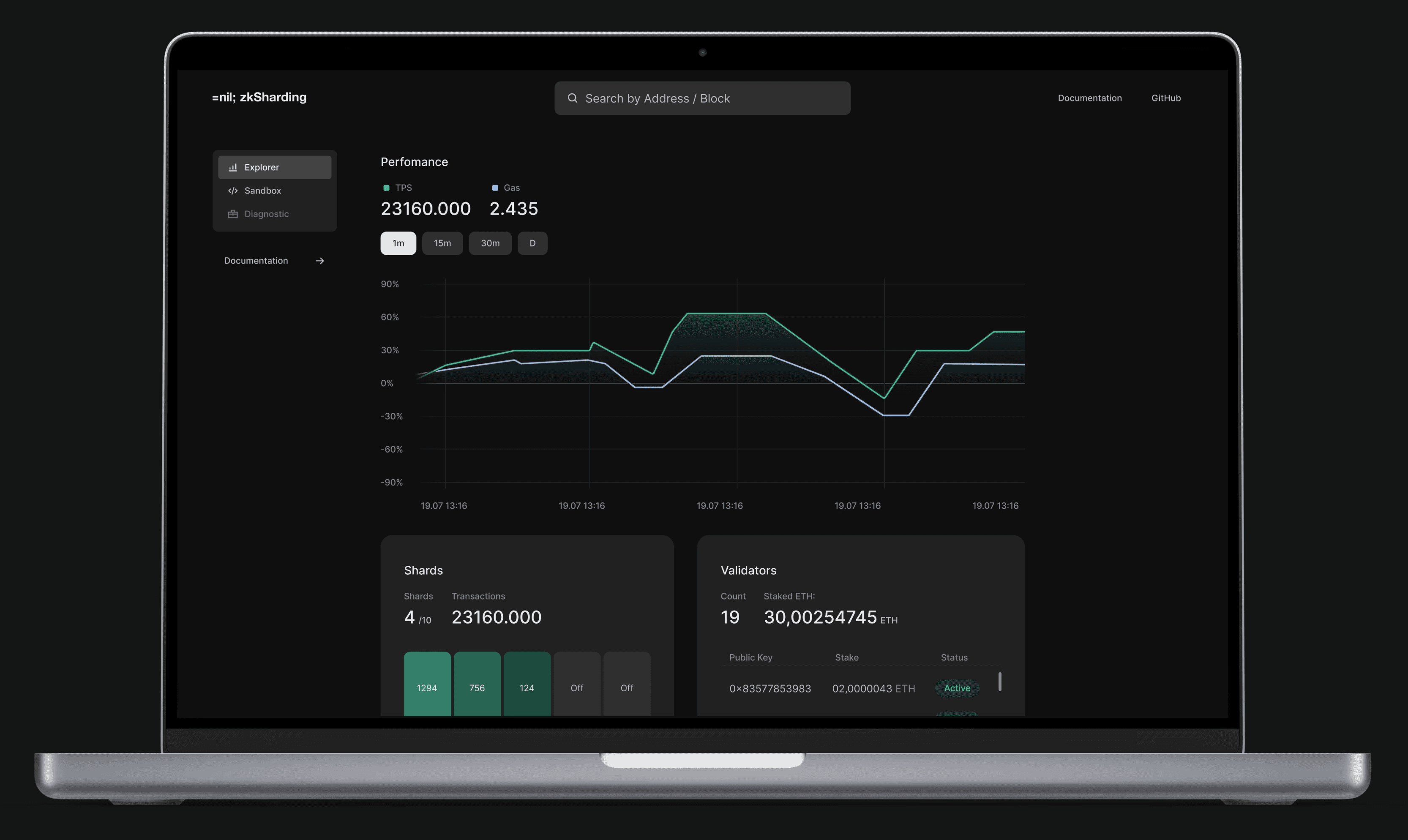
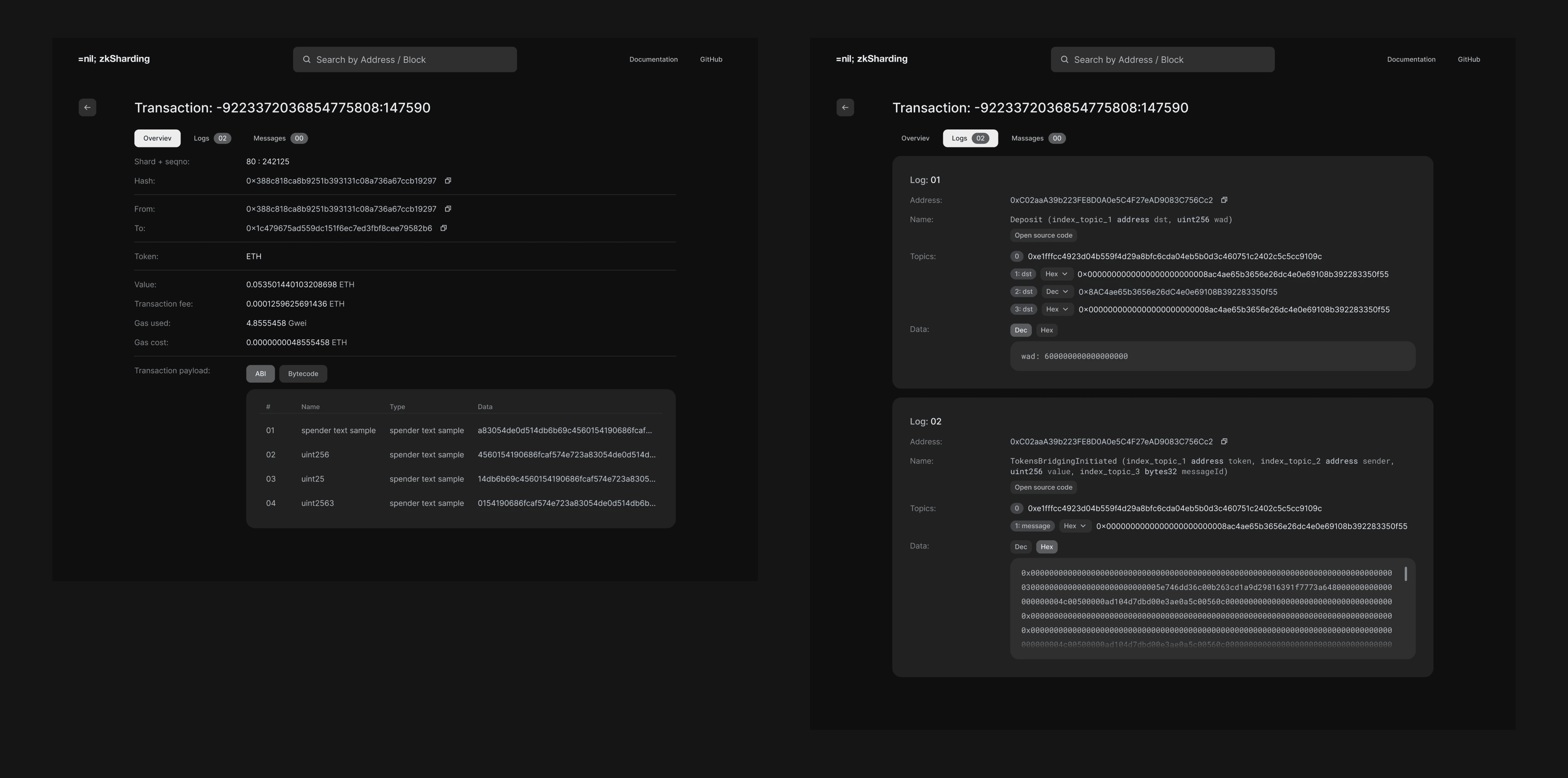
Transaction Screen
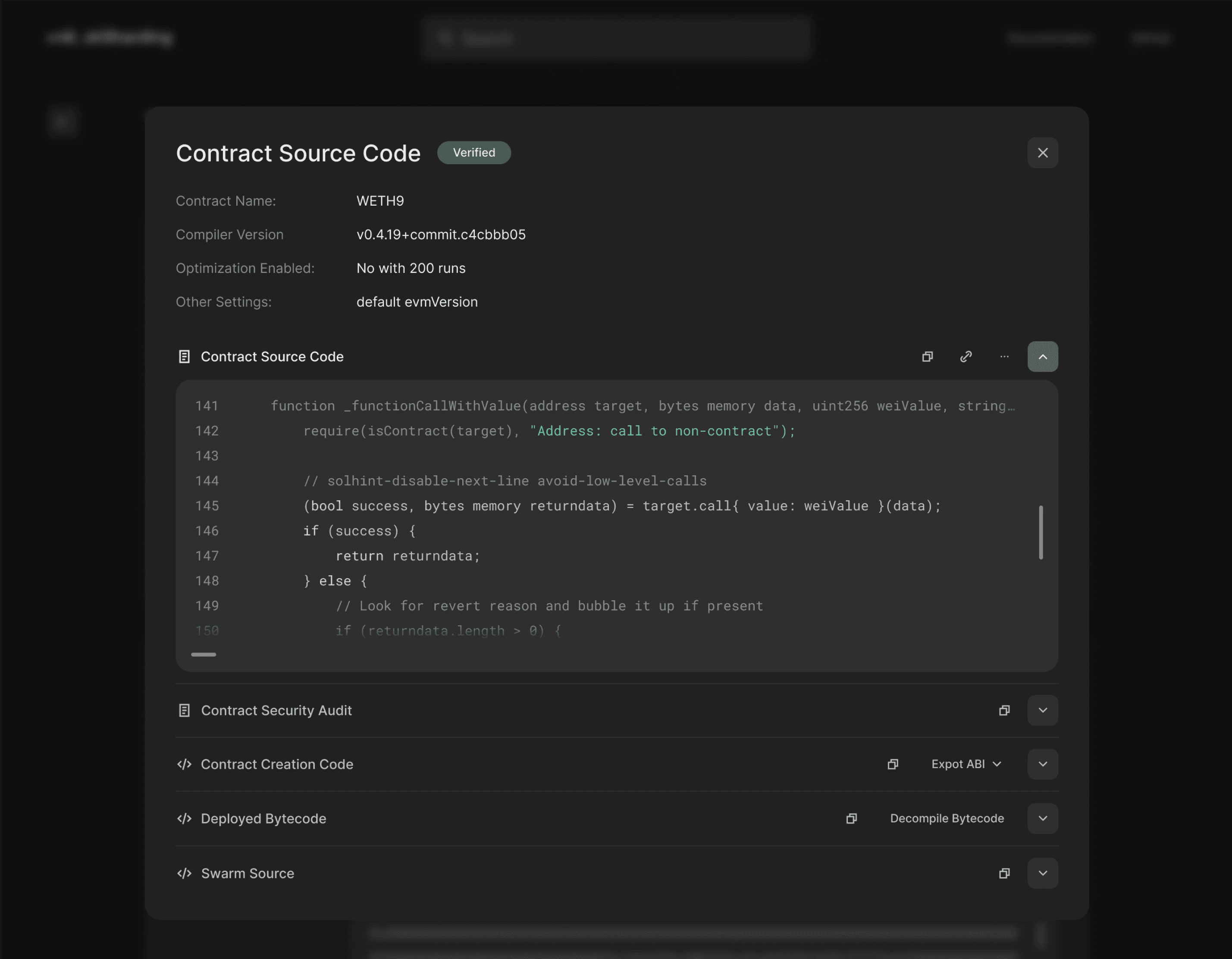
Source Code Modal
Next Cases:
VOISO, AI powered CCaaS platform
Concero, Web3 Rewards Portal